
Nicaragua: A Success Story in the Making
Nicaragua is far more than just the newest and swankiest destination for world travelers. It is -and mark our words – on its way to becoming the latest success…

Nicaragua is far more than just the newest and swankiest destination for world travelers. It is -and mark our words – on its way to becoming the latest success…

Small states, like the Caribbean countries, have been negatively affected by recent “de-risking” policies implemented by international banks, with particularly damaging consequences on correspondent banking relationships.

Capital Finance International, Autumn 2015 International trade has undergone a radical transformation in the past decades as production processes have fragmented along cross-border value chains. The Brazilian economy has remained…
On June 2005, upon the initiative of late Venezuelan President Hugo Chavez, the governments of Antigua and Barbuda, Bahamas, Belize, Cuba, Dominica, Dominican Republic, Grenada, Guyana, Jamaica, Saint Kitts…
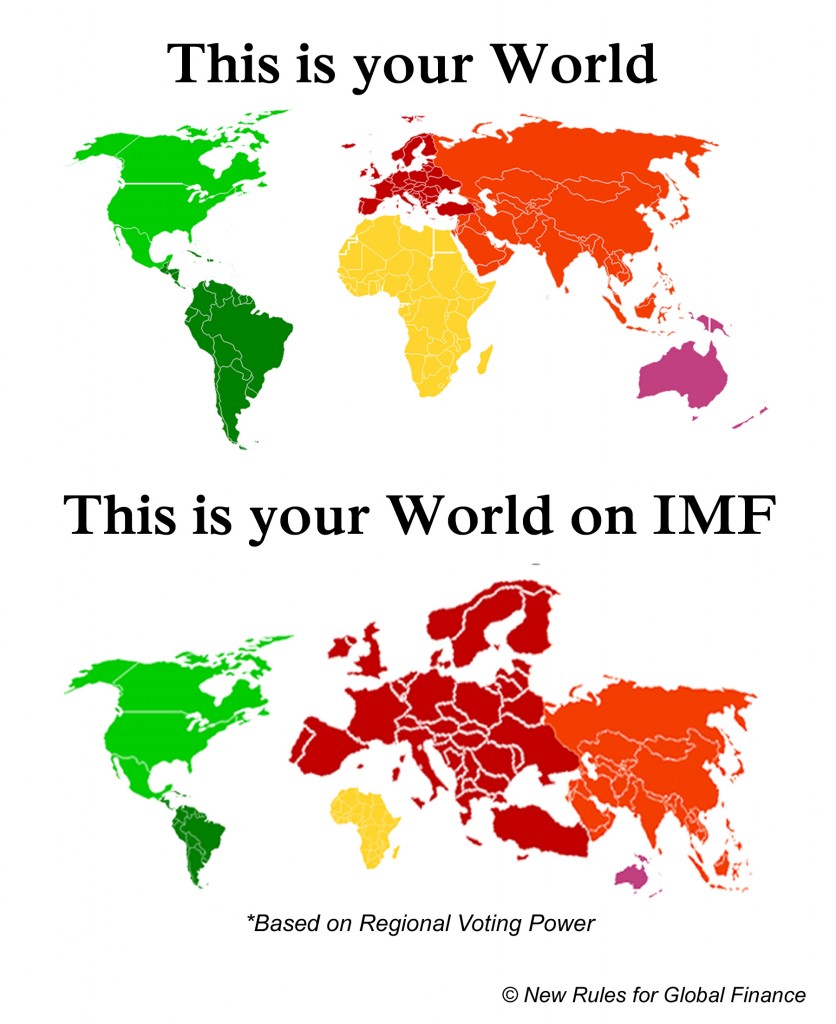
Developing countries seek to bypass stalled IMF and World Bank reform, risking US veto 25 SEPTEMBER 2015 Copyright New Rules for Global Finance SUMMARY Developing countries looking to bypass stalled…
Reuters INTEL SEPTEMBER 4, 2015 IMF official warms to interim deal to boost emerging markets role LONDON/WASHINGTON (Reuters) - A compromise deal on reforms to give emerging markets greater…

Otaviano Canuto - Expansão e crise na Economia Global, 03/08/2015 economiaunicamp Published on Aug 26, 2015 Otaviano Canuto é atual Diretor Executivo do FMI, ex Vice Presidente do Banco Mundial…
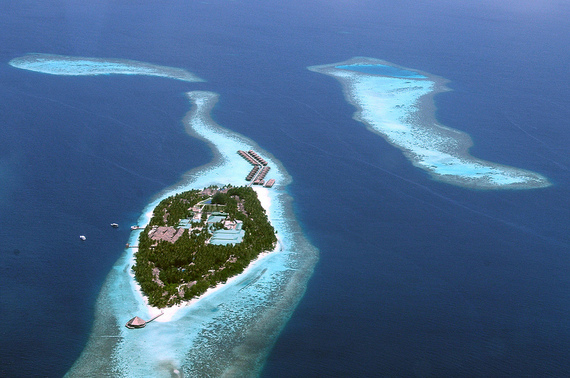
Many small states are known for their pristine natural environments and are either tourism or commodity based. However, despite numerous challenges emanating from their specific vulnerabilities and small size,…
Capital Finance International, summer 2015 The end of the upswing phase of the commodity price super-cycle, after its peak in 2011, has lowered economic growth prospects in most of…
Sobre Produtividade https://youtu.be/TqOyORWxrw8
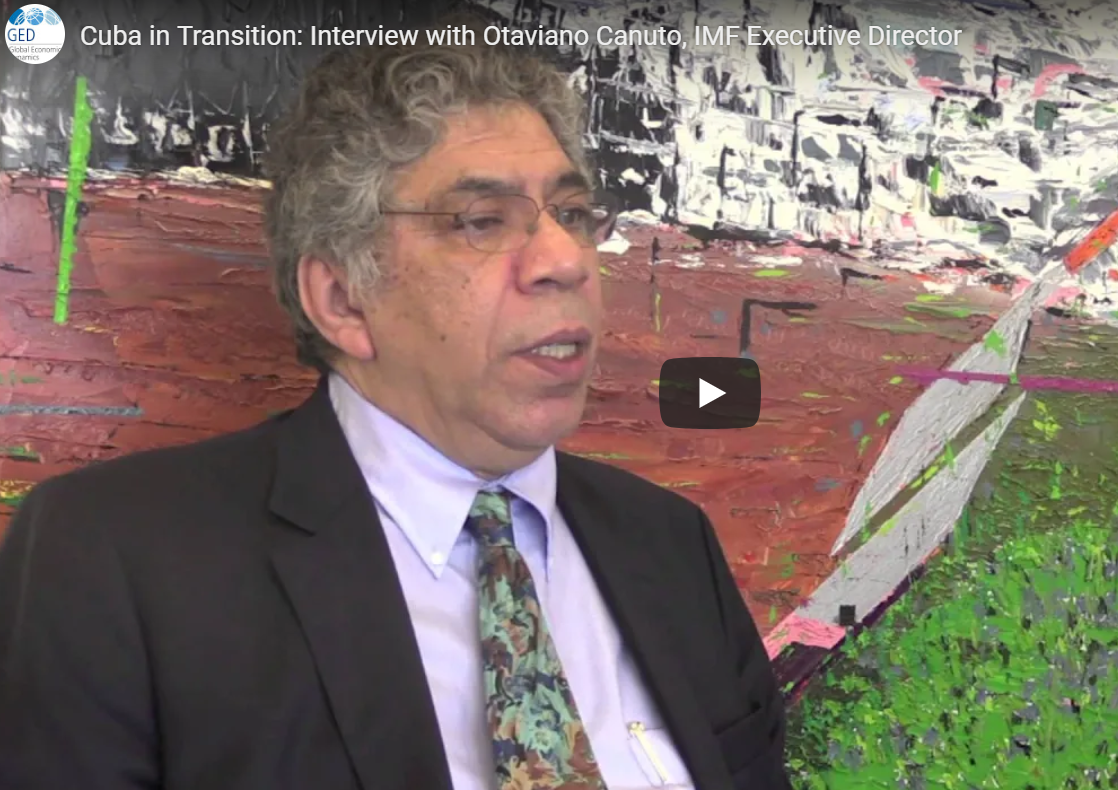
https://youtu.be/iouVIUBQXcQ GEDProject Published on Jul 20, 2015 Cuba it clearly experiencing a transition. But a transition to what? What’s the endgame here? And what can the international community do…

Industrialised and developing countries have differing fiscal strategies for dealing with the business cycle. But are countries’ strategies different according to whether they are industrialised? This column presents new…

While pro-cyclical fiscal policies – ie. expansionary fiscal policies in booms and contractionary fiscal stances in downturns – remain a common feature among developing countries, some countries have recently…

O fim da fase de ascensão no super-ciclo de preços de commodities após seu pico em 2011 levou a uma redução nas perspectivas de crescimento econômico na maior parte…

Eleven months ago, as the Argentine national football team marched towards the World Cup Final, the common refrain held that it was a country of 40 million football coaches.…