
Threat of ‘currency bullying’

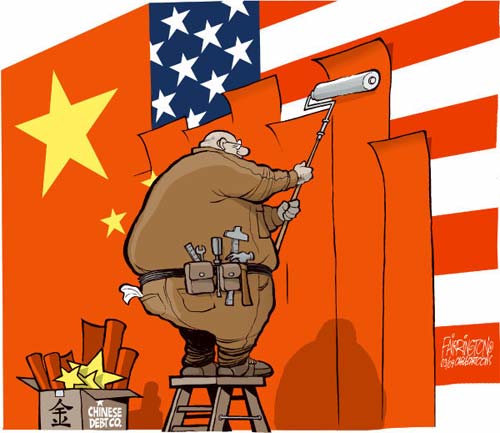
The possibility of mutually damaging financial volatility in the US and China may limit the extent of 'currency bullying' being used as a proxy in the countries' trade war. Nonetheless, rhetoric from Washington is likely to remain clamorous as the US trade and current account deficits rise and global imbalances worsen.


Continue ReadingThreat of ‘currency bullying’

Overlapping Globalizations

Current technological developments in manufacturing are likely to lead to a partial reversal of the wave of fragmentation and global value chains that was at the core of the rise of North-South trade from 1990 onward. At the same time, China – the main hub of the global-growth-cum-structural-change of that period – may attempt to extend the previous wave through its One Belt, One Road initiative.

Continue ReadingOverlapping Globalizations

The Global Economy Remains Unbalanced

Global imbalances have not gone away as an issue, as they reveal that the global economic recovery may have been sub-par because of asymmetric excess surpluses in some countries and output below potential in many others. The end of the “era of global imbalances” may have been called too early. Lord Keynes’ argument about the asymmetry of adjustments between deficit and surplus economies remains stronger than ever.

Continue ReadingThe Global Economy Remains Unbalanced