
Gender Equality Pays Off in Brazil
Brazil’s success in reducing poverty and income inequality has been widely reported in recent years. What is less known is that there has also been progress in lessening gender inequality in…

Brazil’s success in reducing poverty and income inequality has been widely reported in recent years. What is less known is that there has also been progress in lessening gender inequality in…

VoxEU Brazilian exports of goods and services have grown sharply in recent years, tripling since 2000. This column argues that Brazil’s export performance depends mostly on favourable geographical and sector…

World Bank President Jim Yong Kim’s recent Washington Post op-ed “Make Climate Change a Priority” warned that “global warming imperils all of the development gains we have made”. Jim…

ESTADO DE MINAS, 13 fevereiro 2013 Para economista, empresário quer segurança para investir S Paulo Silva Pinto Brasília – O economista Otaviano Canuto participou do governo Lula em 2003, quando…
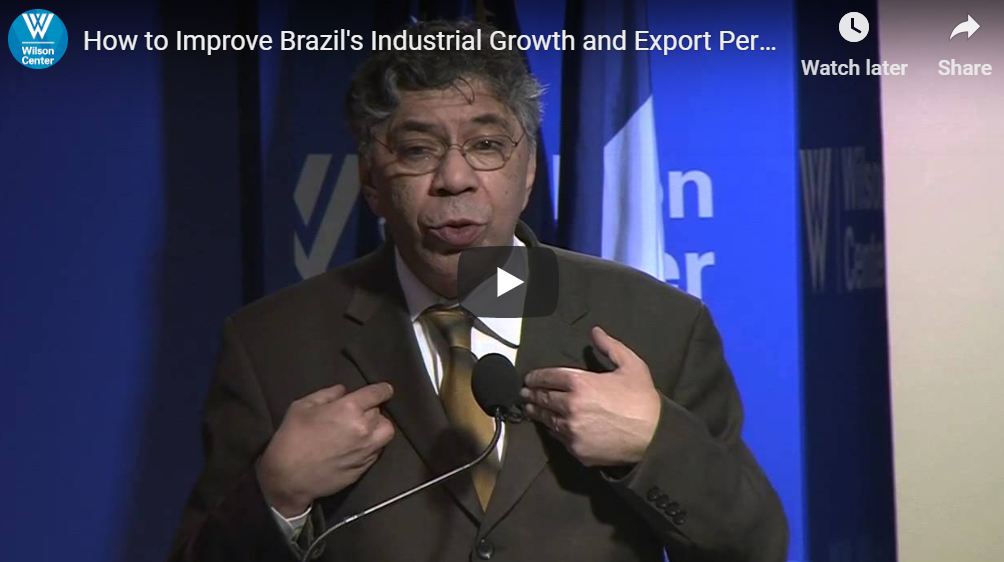
How to Improve Brazil's Industrial Growth and Export Performance https://youtu.be/jnBvogssgQQ Low industrial productivity growth and disappointing export performances are the center of an economic policy debate raging in Brazil.…

As the Carnival in Brazil kicked off last weekend, Brazilians were ready for a party. They have reasons to celebrate. Despite a lackluster GDP performance in the last two…

ENTREVISTA - 30/01/2013 07h00 Otaviano Canuto: "Há uma armadilha no caminho do Brasil" Um país passar de pobre a remediado é um feito importante que o Brasil já realizou. Mas…

China Radio International 2013-01-15 17:38:54 CRIENGLISH.com Web Editor: Chen Cong (Click on WMA - Windows Media Player - podcast available) To reach a middle income level is something…

I'm sure I'm not the only one who uses my mobile phone for almost everything but to make a call. Thanks to technological advances and the explosion of social…

In recent weeks, fiscal policy – once the domain of policy wonks – has become part of dinner-table conversations. As Washington attempts to put its fiscal house in order,…

In practice, theory is something else. I've already heard variants of this expression in several countries and languages. Very often from people referring to the gap between abstract, generic…
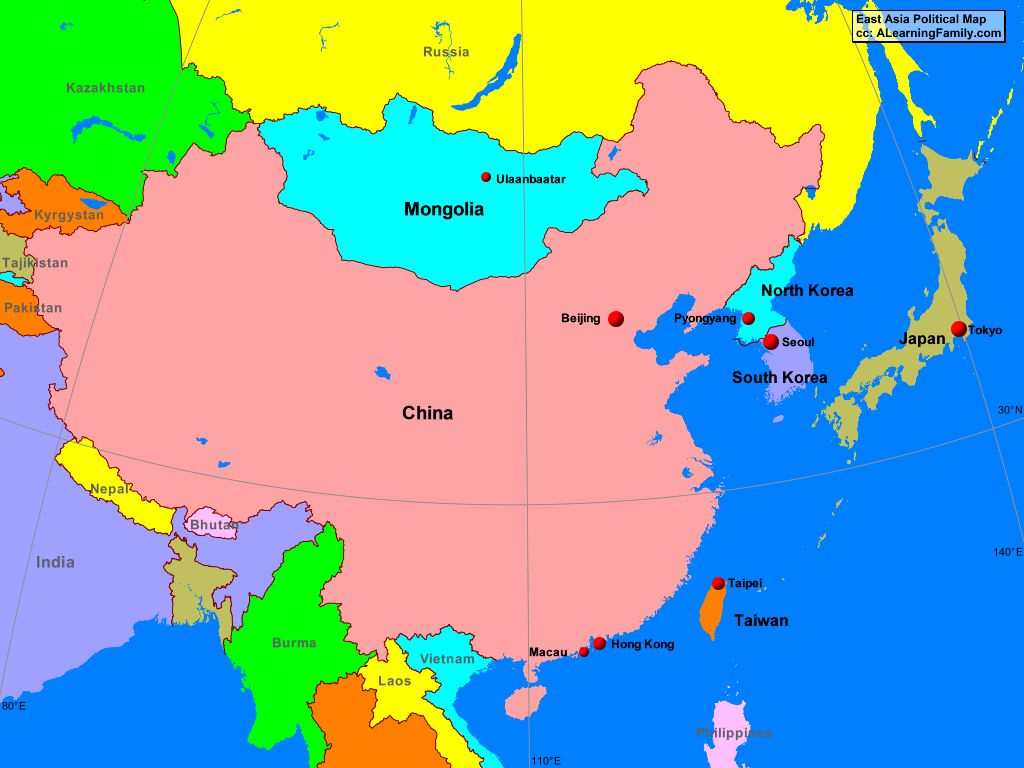
"The features of East Asia's experience in transitioning from middle- to high-income status provide important lessons for other countries that are attempting to follow suit."

The World Bank has been tracking the world's progress against poverty since the late eighties, but the release of 2008 data was the first time in which all regions…

Last May, in China, WTO Director-General Pascal Lamy remarked: “The global economy is being transformed at an unprecedented speed and at the heart of that transformation is the services economy.…

Since the 1950s, rapid growth has allowed a significant number of countries to reach middle-income status; yet, very few have made the additional leap needed to become high-income economies. Rather, many developing countries have become caught in what has been called a middle-income trap, characterized by a sharp deceleration in growth and in the pace of productivity increases. Drawing on the findings of a recently released working paper (Agénor and Canuto 2012), as well as a growing body of research on growth slowdowns, this note provides an analytical characterization of “middleincome traps” as stable, low-growth economic equilibria where talent is misallocated and innovation stagnates. To counteract middle-income traps, there are a number of public policies that governments can pursue, such as improving access to advanced infrastructure, enhancing the protection of property rights, and reforming labor markets to reduce rigidities—all implemented within a context where technological learning and research and development (R&D) are central to enhancing innovation. Such policies not only explain why some economies—particularly in East Asia—were able to avoid the middle-income trap, but are also instructive for other developing countries seeking to move up the income ladder and reach high-income status.