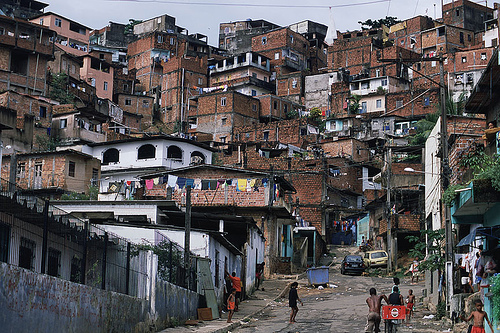
Brazil: Chasing Animal Spirits
Brazil’s GDP performance has been lackluster since the post-crisis rebound in 2010. Prospects for 2013 look a little better: unemployment rates have remained low, and data from the first…

Brazil’s GDP performance has been lackluster since the post-crisis rebound in 2010. Prospects for 2013 look a little better: unemployment rates have remained low, and data from the first…
The International Monetary Fund (IMF) is taking a new look at Sovereign Debt Restructuring. There are at least two major reasons for this: First, it is expected that official creditors…
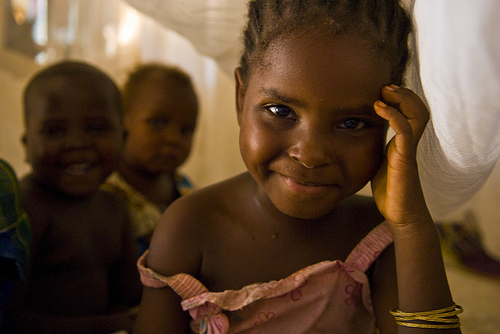
Despite tremendous progress in poverty reduction over the last two decades, poverty still persists. Along with South Asia, Africa is a region where large numbers of people continue to live…

The metamorphosis of the dragon may involve painful growing pains, including the risks of a hard landing that many analysts attribute to the current transition. The forthcoming two decades are setting the next stage of a half-century that could be marked by dramatic economic transformation, creating both challenges and opportunities for China and the rest of the world.

VoxEU The global financial crisis has shattered the confidence of many established principles of monetary policy and financial supervision. This column argues that the two should not remain separate,…

As part of their response to negative shocks coming from advanced economies after the Lehman Brothers’ collapse in 2008, most developing countries resorted to countercyclical fiscal policy. Such a…
If the global financial crisis -- and the events that led up to it -- have taught us anything, it is,“No complacency with asset price booms”. We know first…

Developing countries continue to face important challenges in boosting productivity growth in the difficult post-crisis environment, but also many opportunities to eliminate poverty and create shared prosperity.

Vox EU Reducing gender inequity will require a wide range of policies. This column describes a framework for quantifying the growth effects of gender policies in developing economies and,…

Decentralization in many countries has given subnational governments certain spending responsibilities, revenue-raising authority, and the capacity to incur debt. Furthermore, rapid urbanization in developing countries is requiring large-scale infrastructure…

With decentralization and urbanization, the debts of state and local governments and of quasi-public agencies have grown in importance. Borrowing enables immediate benefits while distributing costs equitably across multiple…

Thomas Friedman’s bestseller The World Is Flat highlights the strong forces pushing the world towards a single economic platform. The technology-fueled globalization in the provision of services, and the widespread organization…

The world has become relatively less poorin the last few decades. People under conditions of extreme poverty -- that is, living on less than $1.25 per day -- have declined…

Since the 1950s, rapid growth has allowed a significant number of countries to reach middle-income status; yet, very few have made the additional leap needed to become high-income economies. Rather, many developing countries have become caught in what has been called a “middle-income trap”, characterized by a sharp deceleration in growth and in the pace of productivity increases.
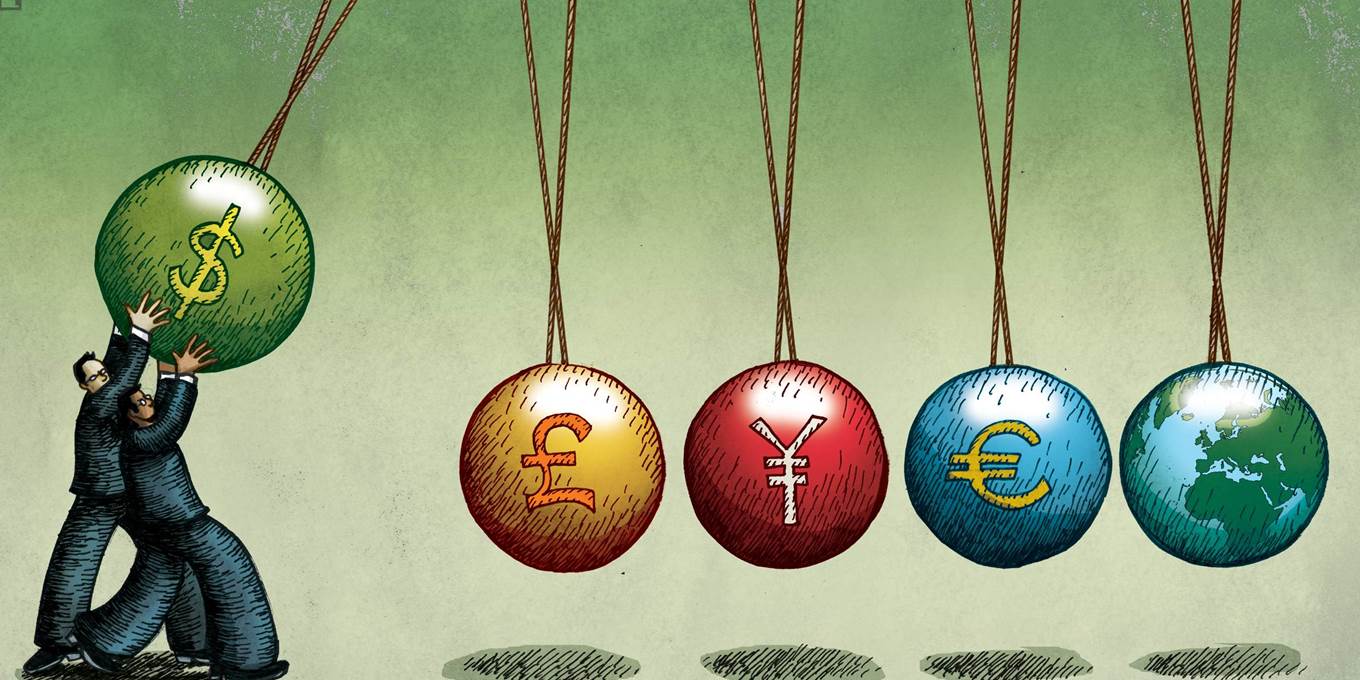
The discussions at last month’s G-20 meeting of finance ministers were dominated by anxiety over so-called “currency wars.” But, to escape the crisis, global leaders must shift their focus to channeling the massive liquidity that advanced countries' controversial monetary policies have generated toward long-term investment financing.