
Fiscal Policy Redux
As part of their response to negative shocks coming from advanced economies after the Lehman Brothers’ collapse in 2008, most developing countries resorted to countercyclical fiscal policy. Such a…

As part of their response to negative shocks coming from advanced economies after the Lehman Brothers’ collapse in 2008, most developing countries resorted to countercyclical fiscal policy. Such a…

Since the 1950s, rapid growth has allowed a significant number of countries to reach middle-income status; yet, very few have made the additional leap needed to become high-income economies. Rather, many developing countries have become caught in what has been called a “middle-income trap”, characterized by a sharp deceleration in growth and in the pace of productivity increases.
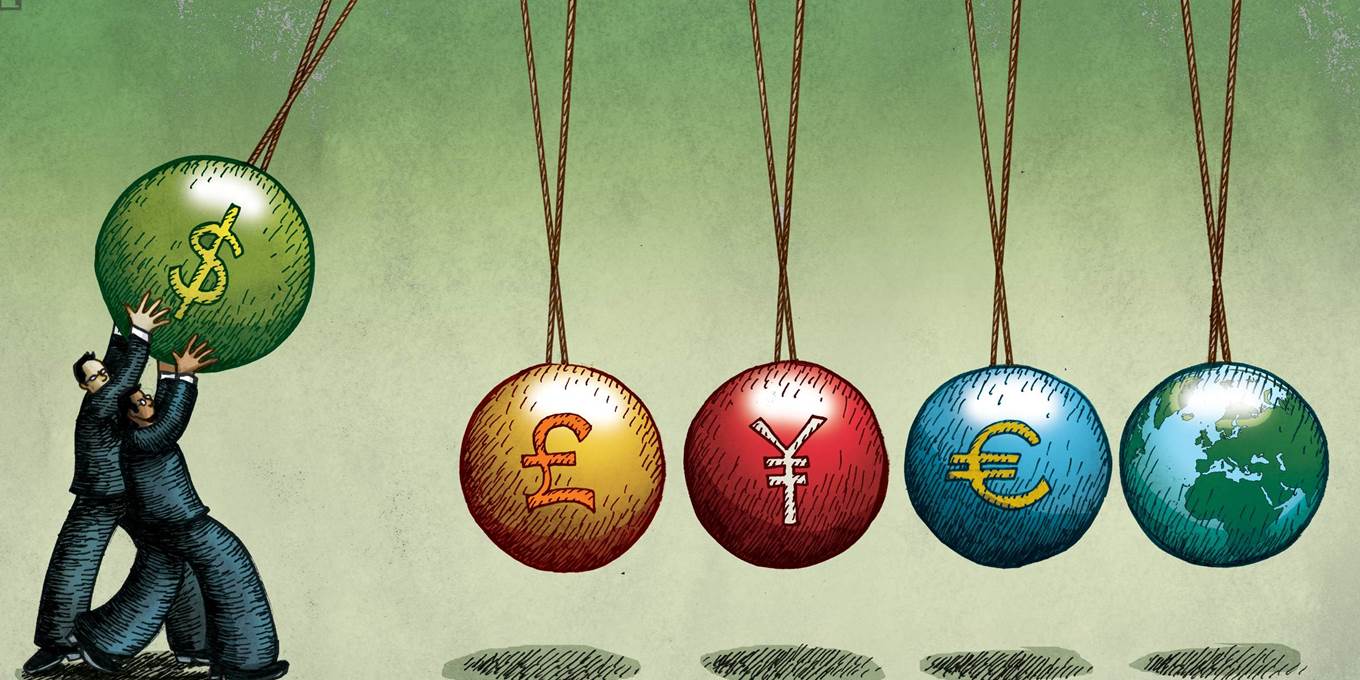
The discussions at last month’s G-20 meeting of finance ministers were dominated by anxiety over so-called “currency wars.” But, to escape the crisis, global leaders must shift their focus to channeling the massive liquidity that advanced countries' controversial monetary policies have generated toward long-term investment financing.
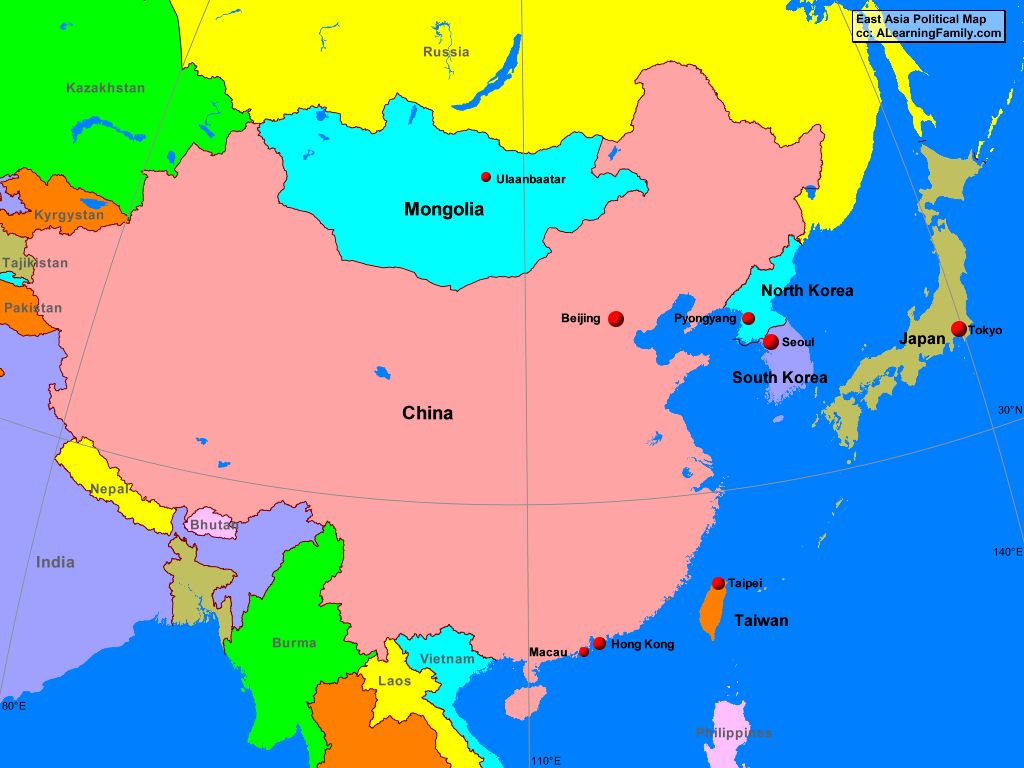
"The features of East Asia's experience in transitioning from middle- to high-income status provide important lessons for other countries that are attempting to follow suit."

Since the 1950s, rapid growth has allowed a significant number of countries to reach middle-income status; yet, very few have made the additional leap needed to become high-income economies. Rather, many developing countries have become caught in what has been called a middle-income trap, characterized by a sharp deceleration in growth and in the pace of productivity increases. Drawing on the findings of a recently released working paper (Agénor and Canuto 2012), as well as a growing body of research on growth slowdowns, this note provides an analytical characterization of “middleincome traps” as stable, low-growth economic equilibria where talent is misallocated and innovation stagnates. To counteract middle-income traps, there are a number of public policies that governments can pursue, such as improving access to advanced infrastructure, enhancing the protection of property rights, and reforming labor markets to reduce rigidities—all implemented within a context where technological learning and research and development (R&D) are central to enhancing innovation. Such policies not only explain why some economies—particularly in East Asia—were able to avoid the middle-income trap, but are also instructive for other developing countries seeking to move up the income ladder and reach high-income status.

From hedge funds to mortgage-backed securities, unregulated and risky activities have fallen out of favor since the Lehman Brothers debacle. Aggressive, casino-type behaviors and obscure transactions definitely played an…
As the year 2012 unfolds, its main legacy will be its game changing impact on global financial markets. Waning global growth along with central banks’ bold monetary easing policies in advanced economies (AEs) to try to reverse it are changing market dynamics in unexpected ways, across both AEs and emerging market economies (EMEs). The combination of monetary stimulus, fiscal austerity and hesitant structural economic policy reforms in AEs, particularly in Europe, is taking the global financial system into increasingly uncharted territory. How the European Union will address the future of the eurozone, including uncertainties over its banking sector, as well as how the United States handles its Fiscal Cliff, will weigh heavily on economic balances across all economies worldwide. This seems to be a significant point of inflection on the speed of the rebalancing of economic relevance of AEs in favor of EMEs taking place over the last 12 years. Under this scenario, the ability of EMEs to handle their own fiscal, financial, and real economy weaknesses is critically tied to their ability to weather external shocks and take advantage of growing global savings while searching for yield and growth opportunities

One of the most distressing aspects of the frail economic recovery from the global crisis has been lagging job creation. In developed and developing countries alike, millions of people…
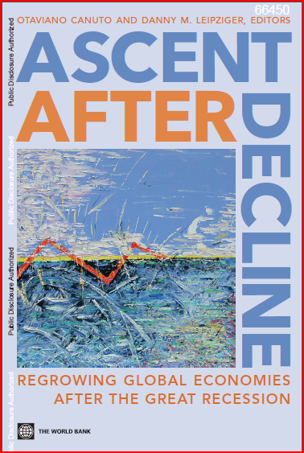
ASCENT AFTER DECLINE: REGROWING GLOBAL ECONOMIES AFTER THE GREAT RECESSION Q&A transcript: Regrowing the Global Economy with co-editor and World Bank VP Otaviano Canuto The great recession of…
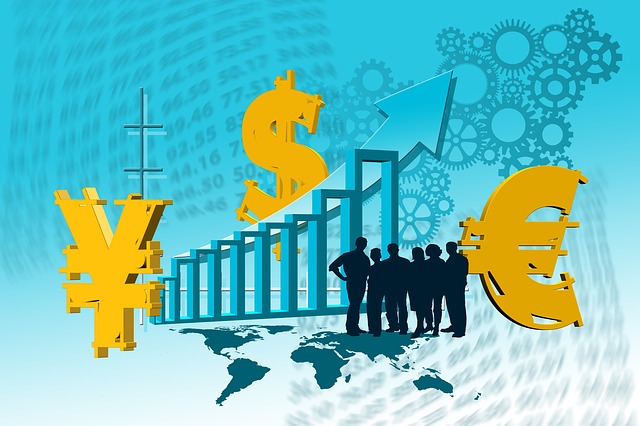
Growth in emerging economies – and developing countries in general – has exhibited strong resilience to the downward pull from advanced economies. However, its full potential can only be tapped if all boats are lifted; if advanced economies also find how to ascend after declining.
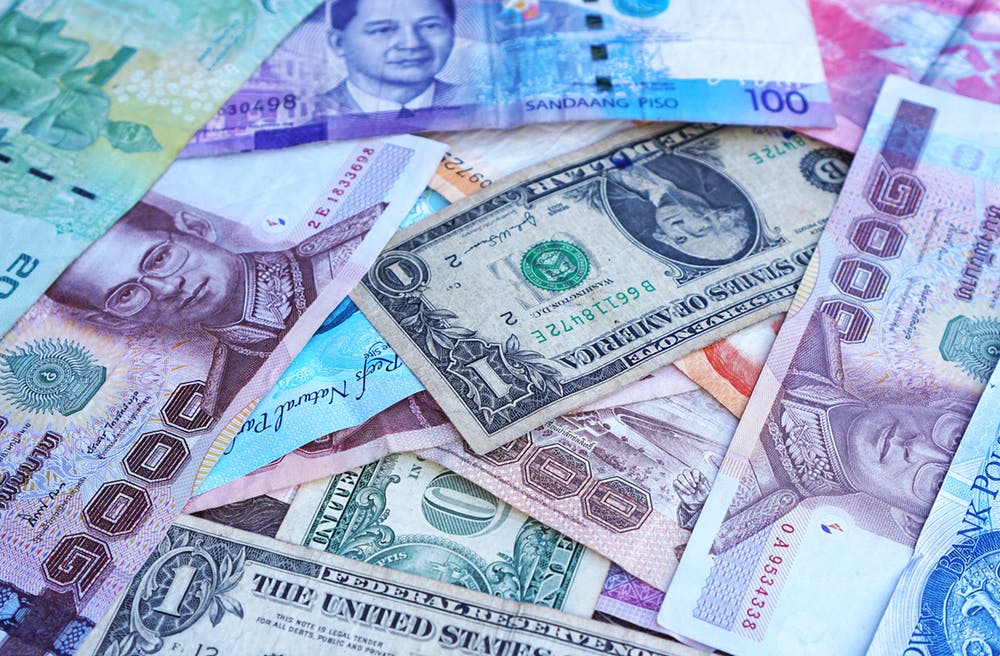
After the Second World War, advanced economies began an ambitious process toward capital account liberalization, which prioritized the liberalization of trade, the maintenance of fixed exchange rates, and a…
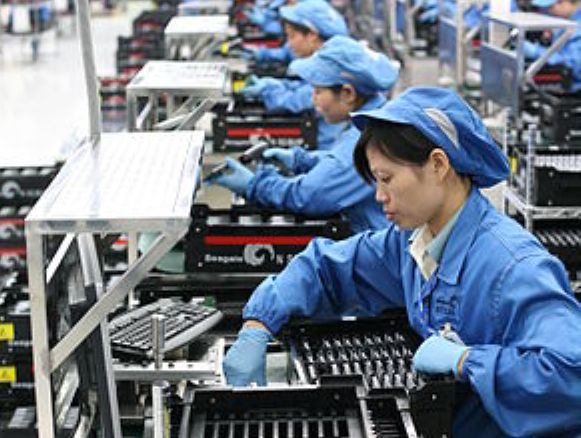
With a few exceptions, industrialized nations are still struggling with unemployment, unable to recover completely from the 2008 economic crisis. In the U.S. things seem to be improving as…
The great recession of 2007-09 has left permanent scars in the world economy, and the global recovery has lost steam. Advanced economies are still struggling with high unemployment and debt, and the remarkable role that emerging markets have played as engines of the recovery is no longer certain. In this new book, co-edited by Otaviano Canuto and Danny M. Leipziger, more than a dozen distinguished contributors scan the economic horizon, spell out the new fiscal reality, and highlight the policy choices on which economic regrowth will depend.
Investing more on roads, bridges and schools is an essential part of President Obama's American Jobs Act. If this is important in the current U.S. context, the role of…

Market volatility, fears of a double-dip, lack of investor confidence and social demonstrations from Wall Street to Main Streets around the world are just some of the headlines we…