
Financial Times – Brazil’s electoral race no dog and pony show
Joe Leahy SEPTEMBER 5, 2014 When Brazil’s presidential election circus arrived in Rio Grande do Sul this week, it was hard not to see the difference between the styles of…

Joe Leahy SEPTEMBER 5, 2014 When Brazil’s presidential election circus arrived in Rio Grande do Sul this week, it was hard not to see the difference between the styles of…
Brazil's Economic Identity: Motivations and Expectations Center for Strategic & International Studies Published on Jul 17, 2014 Featured Remarks by: Otaviano Canuto Senior Advisor on the BRICS Economies Development Economics…

It has become increasingly evident over the last two years that the growth engine of the Brazilian economy has run out of steam. Despite relative resilience during the global…

Project Syndicate One often hears that Brazil’s economy is stuck in the “middle-income trap.” Since the debt crisis of the 1980’s, Brazil has failed to revive the structural transformation and…
International trade has undergone a radical transformation in the past decades as production processes have fragmented along cross-border value chains. The Brazilian economy has remained on the fringes of…

There are still serious questions on how to proceed with the complementary use of prudential regulation and monetary policy. While there are already lessons from emerging markets’ use of the macroprudential policy toolkit, more experience and analysis, particularly on its interaction with monetary policy is needed.

The 2008 financial crisis has emphasized the importance of macro financial linkages. In the financial sector, attention is now focusing on macro prudential regulations that are geared toward the stability of the financial system as a whole. In the macro arena, the recognition that price stability was not sufficient to guarantee macroeconomic stability and that financial imbalances developed despite low inflation and small output gaps has highlighted the need for additional tools (macro prudential policies) to complement monetary policy in countercyclical management. Emerging markets (EMs) face different conditions and have key structural features that can have a bearing on the relevance and efficacy of policy measures. Drawing on Canuto, Otaviano, and Swati R. Ghosh, eds. 2013. Dealing with the Challenges of Macro Financial Linkages in Emerging Markets. Washington, DC: World Bank), this note discusses the challenges of dealing with macro financial linkages and explores the policy toolkit available for dealing with systemic risks, particularly in the context of EMs.

The 2008 financial crisis highlighted the challenges associated with global financial integration, emphasized the importance of macro financial linkages and challenged pre-crisis financial stability regimes.

China and Brazil are both facing a growth slowdown, as compared to the period prior to the global financial crisis. They were both able to respond with aggressive anti-cyclical policies to the post-Lehman quasi-collapse of the global economy. In both cases, such policies led to a growth rebound by reinvigorating previous patterns of growth. This brought forth the exhaustion of such patterns and the need to transit to other growth regimes.
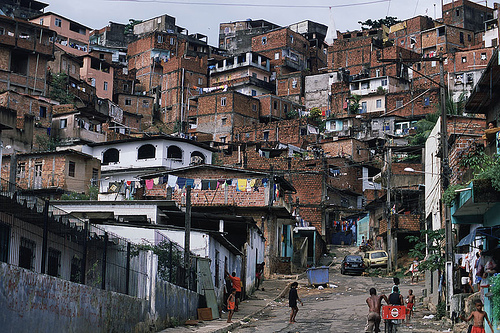
Brazil’s GDP performance has been lackluster since the post-crisis rebound in 2010. Prospects for 2013 look a little better: unemployment rates have remained low, and data from the first…
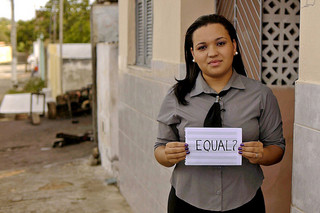
Brazil’s success in reducing poverty and income inequality has been widely reported in recent years. What is less known is that there has also been progress in lessening gender inequality in…

VoxEU Brazilian exports of goods and services have grown sharply in recent years, tripling since 2000. This column argues that Brazil’s export performance depends mostly on favourable geographical and sector…
How to Improve Brazil's Industrial Growth and Export Performance https://youtu.be/jnBvogssgQQ Low industrial productivity growth and disappointing export performances are the center of an economic policy debate raging in Brazil.…

As the Carnival in Brazil kicked off last weekend, Brazilians were ready for a party. They have reasons to celebrate. Despite a lackluster GDP performance in the last two…
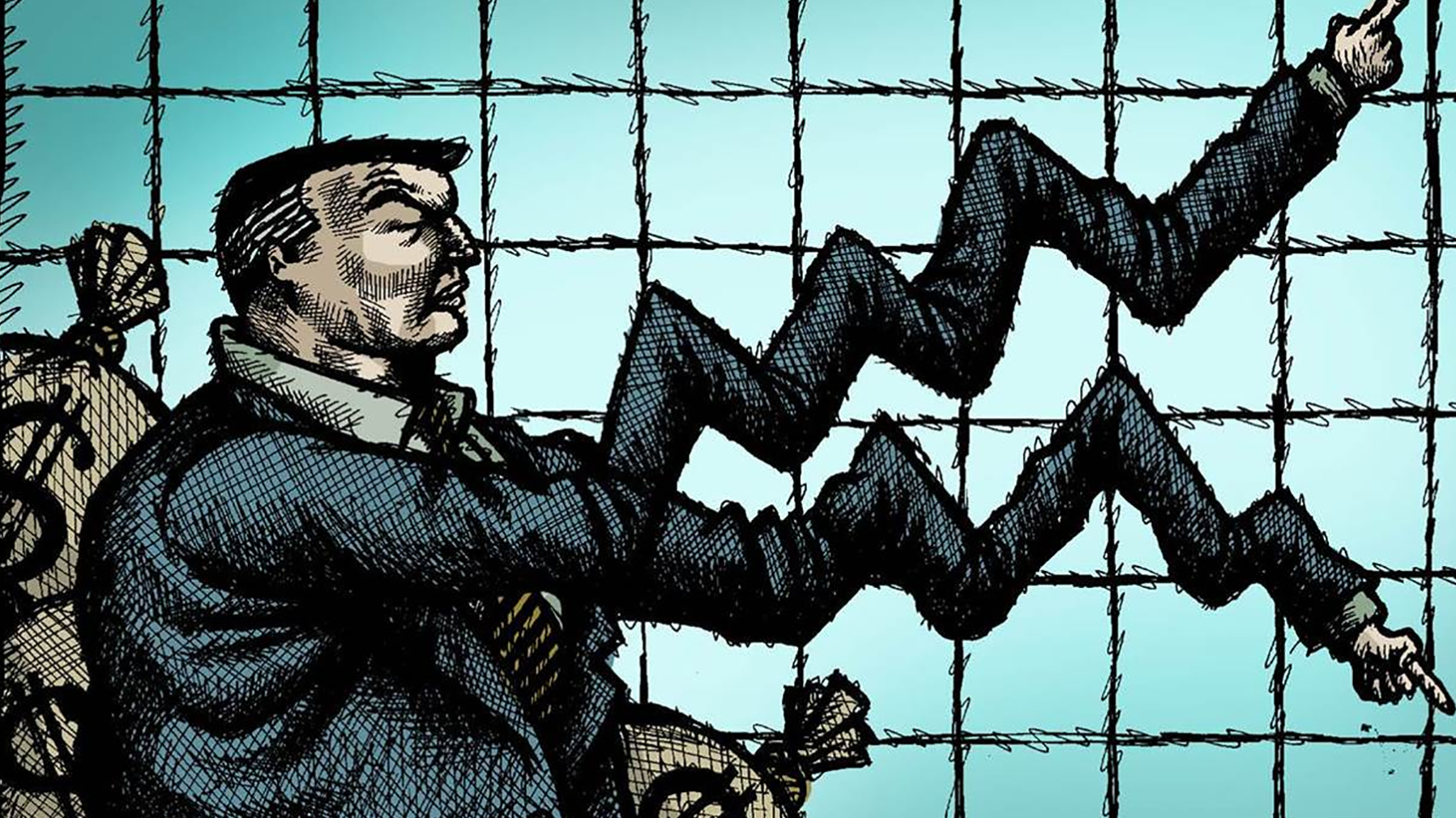
While the rich world puts its post-crisis house in order, developing countries as a whole are becoming the new engine of global growth. But switching locomotives is never free of risk.