Lula’s BRICS balancing acts in Rio

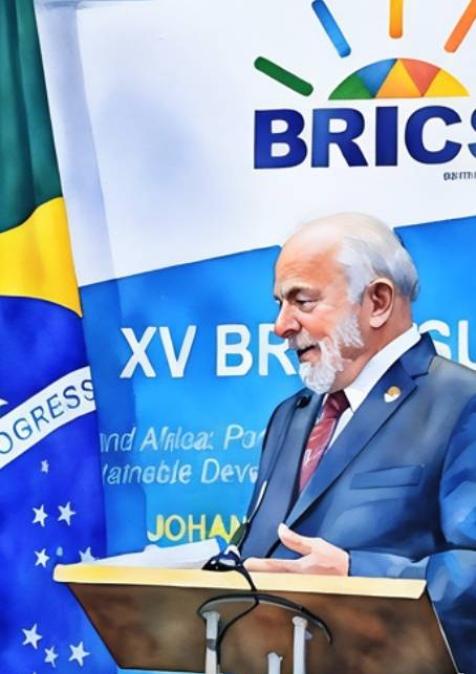
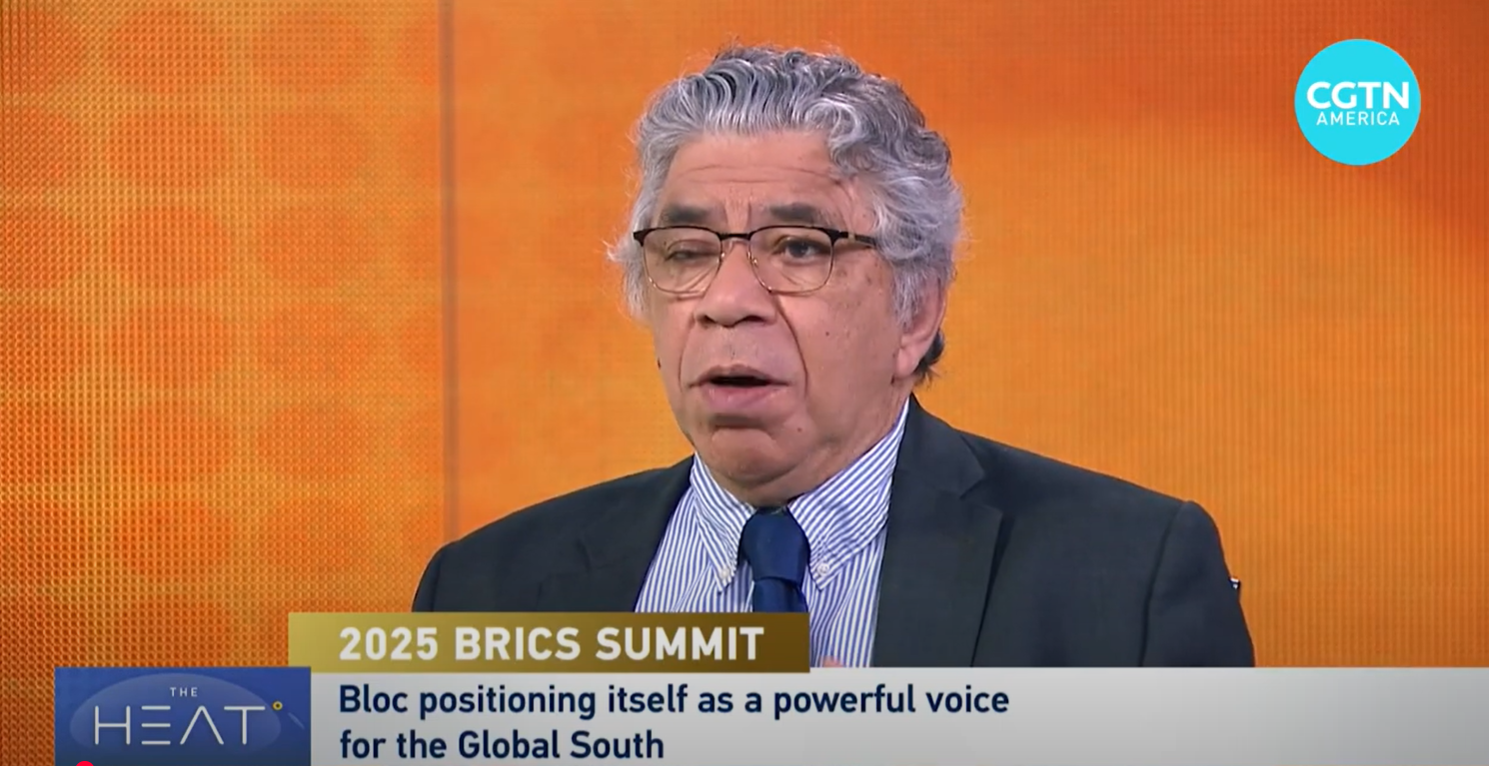
Despite the exercise of BRICS balancing act, President Donald Trump threatened "extra 10% tariff over ‘anti-American’ BRICS policies". And, last week, he threatened to impose a 50% tariff on Brazil, making references to the legal process against former President Jair Bolsonaro for a planned coup plot, as well as to measures taken by Brazil’s Supreme Court against U.S .social media platforms. Presumably, from Mr. Trump’s perspective, pursuing lower reliance on the US dollar was enough to push Lula and the BRICS off their balancing act.

Continue ReadingLula’s BRICS balancing acts in Rio

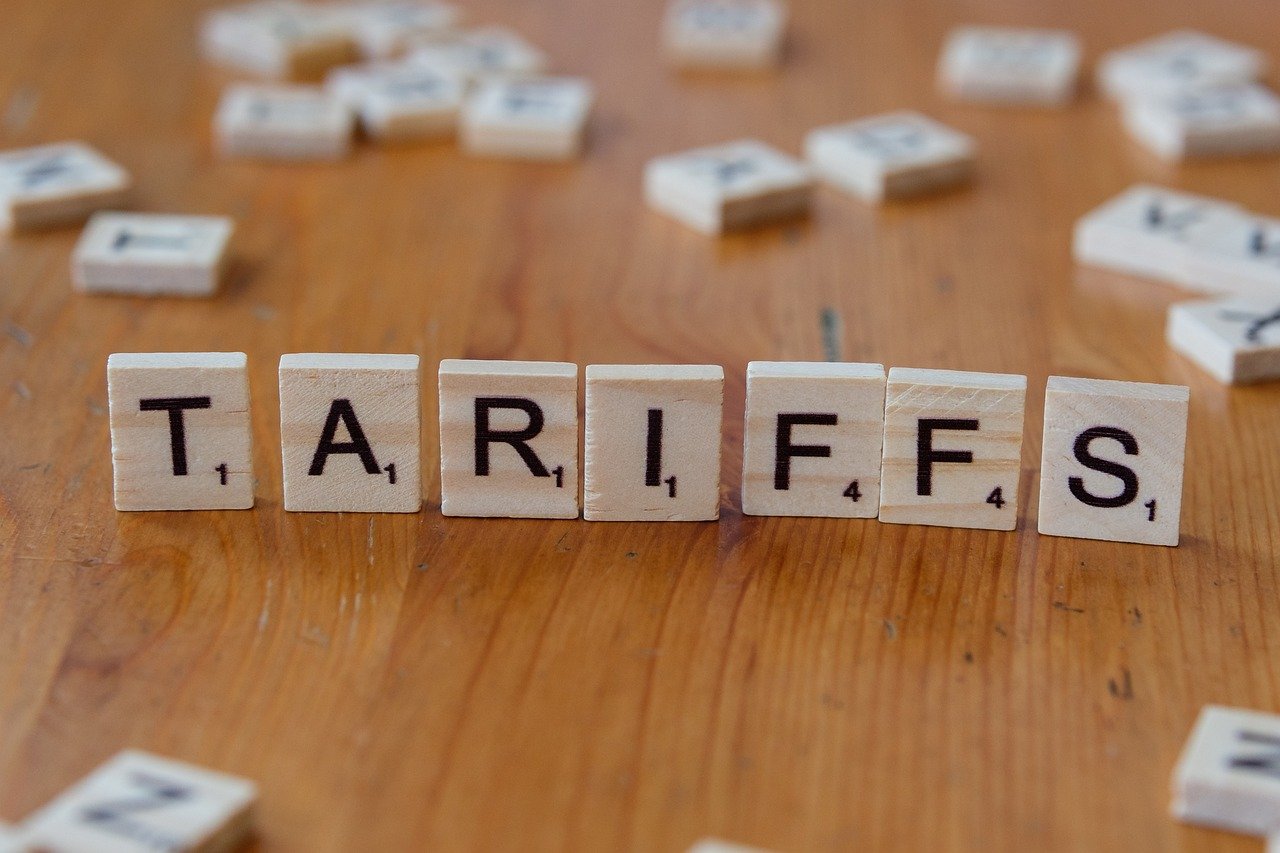
The Global Impact of President Trump’s Reciprocal Tariffs: Implications for Developing Countries

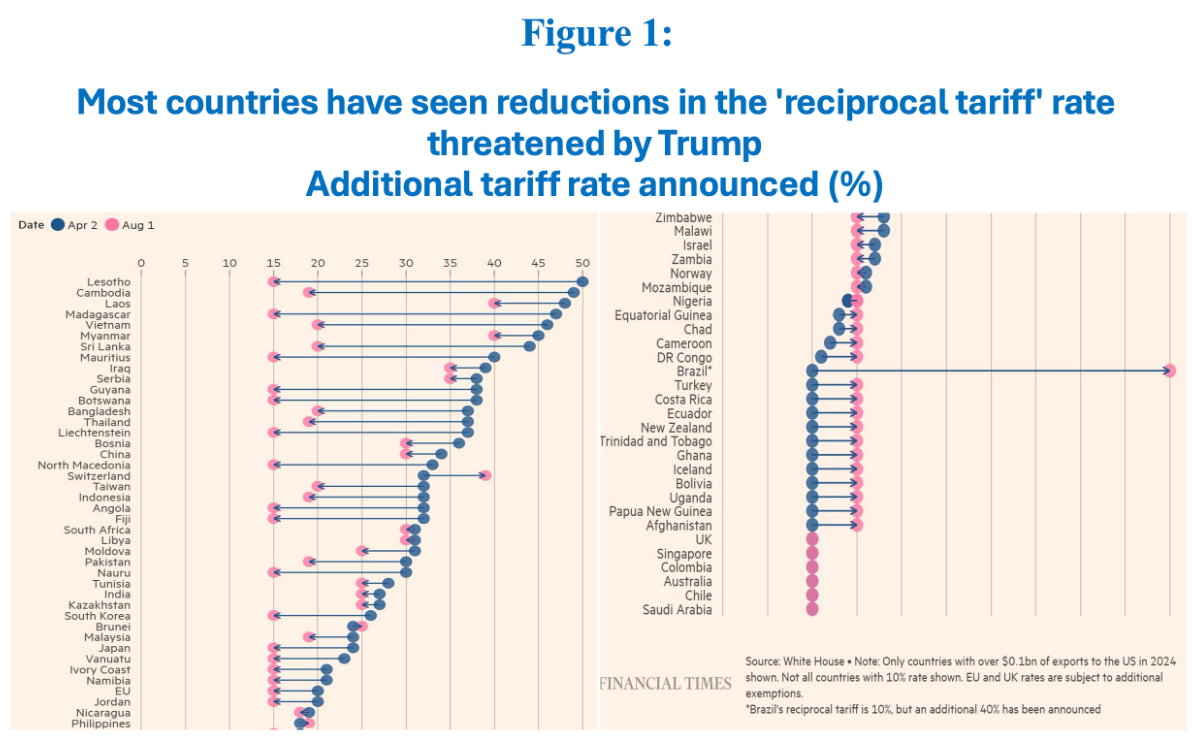
President Donald Trump's "Reciprocal Tariff" policy, announced on April 2, 2025 (dubbed "Liberation Day"), represents one of the most significant shifts in U.S. trade policy in nearly a century. Trump’s policy imposes a baseline 10% tariff on all imports and additional country-specific tariffs that range from 10% to 50% for countries designated as having "non-reciprocal trading practices" with the U.S. These specific tariffs are determined based on each country’s bilateral trade balance with the U.S. Postponements and bilateral trade negotiations started after April 9, 2025. This paper develops a two-country general equilibrium model to analyze the economic implications of the originally announced “Reciprocal Tariff” policy, with particular emphasis on developing countries. Initially characterized by a trade deficit in the U.S. and asymmetric tariff structures, the model explores the effects of the U.S. unilaterally raising its tariffs to match those of its trading partners. We incorporate comparative advantage (CA), sectoral heterogeneity, and the interaction of tariff policy with monetary policy. The results suggest that while tariff equalization can reduce trade imbalances and improve U.S. terms of trade, it generates efficiency losses and results in ambiguous welfare outcomes. A calibrated policy mix is required to balance trade, inflation, growth, and equity objectives. While the administration framed these tariff reciprocal measures as essential for addressing trade imbalances and strengthening American manufacturing, our analysis identifies significant economic repercussions for developing economies. Key findings include the disproportionate impact on developing nations with export-oriented growth strategies, disruption of global value chains, potential reversal of development gains, and acute vulnerability for many African and Asian nations that face some of the highest tariff rates. The policy would likely trigger structural economic changes in the global trading system, with implications that extend well beyond the immediate tariff impacts.

Continue ReadingThe Global Impact of President Trump’s Reciprocal Tariffs: Implications for Developing Countries

From Bretton Woods to Braided Path: Navigating MDB Dynamics Amid Global Shifts

Within an ever-evolving system of multilateral development banks (MDB) currently reshaped by four structural geo-economic trends, the emergence of new MDBs like the Asian Infrastructure Investment Bank (AIIB) and the New Development Bank (NDB) carries great geopolitical significance. Yet the new MDBs, attuned to institutional and operational realities, have not upended the MDB system. Their relationship with long-established MDBs such as the World Bank currently resembles not a fork in the road, but a braided path–marked by both convergence and divergence, cooperation and manageable competition.

Continue ReadingFrom Bretton Woods to Braided Path: Navigating MDB Dynamics Amid Global Shifts

Placas Tectônicas Monetárias em Movimento

Caráter errático e incerto da política econômica de Trump tendem a disparar novos movimentos tectônicos entre sistemas monetários na economia global. Articulista afirma que o renminbi não se constitui, nesse momento, em uma alternativa plena como moeda de reserva, mas o euro pode vir a ser se tomar medidas, como tornar o mercado de capitais da Zona do Euro menos fragmentado e ineficiente

Continue ReadingPlacas Tectônicas Monetárias em Movimento

BRICS em tempos de reacomodação tectônica

Este artigo avalia o desempenho das economias originais do BRICS relativamente às projeções de crescimento e apreciação cambial apresentadas nos artigos que lançaram o acrônimo antes de o agrupamento se tornar uma realidade diplomática, política e econômica. Na sequência, discutimos a agenda BRICS no atual contexto geopolítico desafiador, no qual a fragmentação econômica tende a elevar custos para a economia mundial e apresenta obstáculos consideráveis para economias emergentes e em desenvolvimento.

Continue ReadingBRICS em tempos de reacomodação tectônica

Growth Implications of a Fractured Trading System

- The costs are greater the deeper the trade fragmentation. - Reduced knowledge diffusion due to technological decoupling is a powerful negative amplifier of the trade channel. - Emerging markets and low-income countries are most at risk from trade and technology fragmentation. - Transition costs can be considerable, in some cases even exceeding the final trading impact. - The estimates provided are not the upper bound. The G20 might not address issues of national security directly, but there's much they can do, especially regarding the trade-offs between resilience and efficiency, designing policies to avoid resorting to the least discretionary breadth.

Continue ReadingGrowth Implications of a Fractured Trading System

The Challenge of Fostering Innovation and Accelerating Economic Growth in Brazil

This paper aims to demonstrate how certain transformations in the international economy since the 1980snotably the globalization of firms and industriescombined with a set of domestic challenges, disrupted the path of industrial and technological development that Brazil had pursued since the 1930s. In essence, growth strategies based on the scale of the domestic market ceased to be effective. The innovation and economic challenges the country now faces cannot be addressed without a clear understanding of these processes. The analysis carries important policy implications, centered on the need for less protectionism and greater internationalization of firms. Reversing the inward-looking orientation of the Brazilian industry is a key objective for any policy aiming to stimulate increased business R&D and innovation.

Continue ReadingThe Challenge of Fostering Innovation and Accelerating Economic Growth in Brazil

Os minerais da África vão moldar o futuro do poder mundial

À medida que a rivalidade entre EUA e China se intensifica, ambas as potências cortejam países africanos ricos em minerais na tentativa de garantir matérias-primas essenciais. Transformar a vasta riqueza de recursos naturais da África em desenvolvimento duradouro exige uma estratégia baseada em infraestrutura que gere valor a longo prazo para as comunidades locais.

Continue ReadingOs minerais da África vão moldar o futuro do poder mundial

Africa’s Minerals Will Shape the Future of Global Power

As the US-China rivalry intensifies, both powers are courting mineral-rich African countries in an effort to secure critical raw materials. Translating Africa's vast natural-resource wealth into lasting development requires an infrastructure-led strategy that delivers long-term value for local communities.

Continue ReadingAfrica’s Minerals Will Shape the Future of Global Power

The Spring of Tariff Regret

The IMF has reviewed the global growth downward, highlighting the impacts of Trump's tariff war and warning about financial and economic risks. Although the negative effects of tariffs have already been “somewhat priced in,” according to Tobias Adrian (IMF), equity and bond prices could “certainly” fall further if negotiations fail. So, it’s either successful negotiations or further stress and downgrades.

Continue ReadingThe Spring of Tariff Regret

A primavera do arrependimento tarifário

O FMI revisou o crescimento global para baixo, destacando os impactos da guerra tarifária de Trump e alertando sobre riscos financeiros e econômicos. Embora os efeitos negativos das tarifas já tenham sido "de certa forma precificados", segundo Tobias Adrian (FMI), os preços das ações e títulos podem "certamente" cair ainda mais se as negociações fracassarem. Portanto, ou negociações bem-sucedidas ou mais estresse e rebaixamentos.

Continue ReadingA primavera do arrependimento tarifário

How to Make Carbon Pricing Work for Africa

As the world prepares for COP30 in Belém, Brazil, African countries have an opportunity to advocate for equitable carbon-pricing mechanisms that align climate action with sustainable development. While cutting emissions is important, so, too, is ensuring fairness and equity for the communities most vulnerable to climate change.

Continue ReadingHow to Make Carbon Pricing Work for Africa