
Shadow sovereign ratings
VoxEU Sovereign ratings are important for countries to access international capital, but even today 58 developing countries are not rated by Standard and Poor’s, Moody’s, or Fitch. This column…

VoxEU Sovereign ratings are important for countries to access international capital, but even today 58 developing countries are not rated by Standard and Poor’s, Moody’s, or Fitch. This column…
The “middle-income trap” has snared many developing countries: they succeeded in evolving from low per capita income levels, but then appeared to stall, losing momentum along the route toward the higher income levels of advanced economies. Does moving up the income ladder get harder the higher one climbs?
The world of presumed stable monetary and financial conditions was severely shaken by the recent global financial crisis. And with that, the separation in some quarters of financial supervision…
In the aftermath of the global economic crisis, financial market regulators have proposed a myriad of reforms to better govern the banking sector and to enhance its resilience to…

Project Syndicate Not long ago, the separation of financial supervision and monetary policy was in vogue in many countries. Some countries – like the United Kingdom and Australia – went…
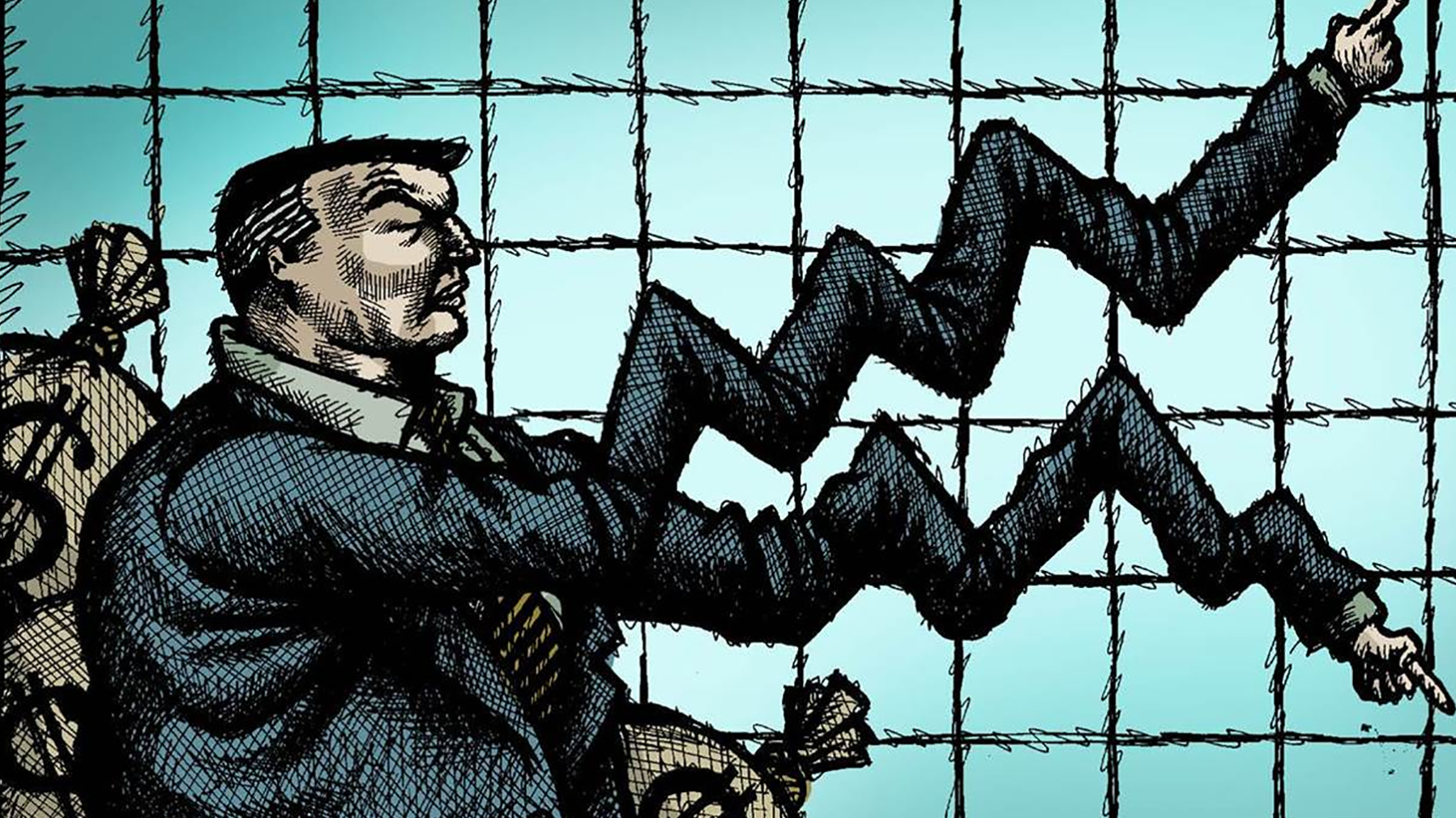
While the rich world puts its post-crisis house in order, developing countries as a whole are becoming the new engine of global growth. But switching locomotives is never free of risk.

Developing countries are emerging as the new engine of global growth, but this success has led to new challenges that policy makers must overcome if their countries are to continue driving the world economy forward.

The Day After Tomorrow: A Handbook on the Future of Economic Policy in the Developing World (at the Wilson Center) https://youtu.be/bAu0GhuwX7Y Economists Otaviano Canuto (right) and Marcelo Giugale pointed to a major…
Introduction to The Great Recession and Developing Countries: Economic Impact and Growth Prospects Otaviano Canuto and Justin Yifu Lin

An energetic debate on the danger of a global currency war has flared up in recent months, stoked by a renewed move to “quantitative easing” in the United States,…
In the post-recession era, developing countries have come out on top. And they're going to stay there.
While globalization has been a powerful engine of economic growth over the past three decades, it has also posed new problems and challenges, especially for international economic policy coordination. In the past decade, the large and rapid increases in trade, remittances, and international financial flows across borders have been a strong incentive for economic growth, not only in East and South Asia but also in Latin America and Sub-Saharan Africa. And rapid and sustained economic growth in several low- and middle-income economies has been steadily altering the economic weights of different regions in the world economy.

Otaviano Canuto, Catiana García-Kilroy, Anderson Caputo Silva The year of 2009 will be remembered for endorsing a structural shift in the relative position of emerging market economies (EMEs) in the…
It is becoming common wisdom that developing countries are doing well while the rich world is stuck in long-overdue austerity. Barring another subprime crisis (this time, in public debt),…
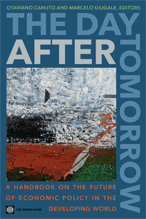
While the rich world puts its house in order, developing countries are becoming a new engine of global growth and a pulling force for advanced economies, says a new book by World Bank economists. According to The Day After Tomorrow: A Handbook on the Future of Economic Policy in the Developing World, almost half of global growth is currently coming from developing countries. As a group, it is projected that their economic size will surpass that of their developed peers in 2015.