Goodbye Financial Engineers, Hello Political Wonks
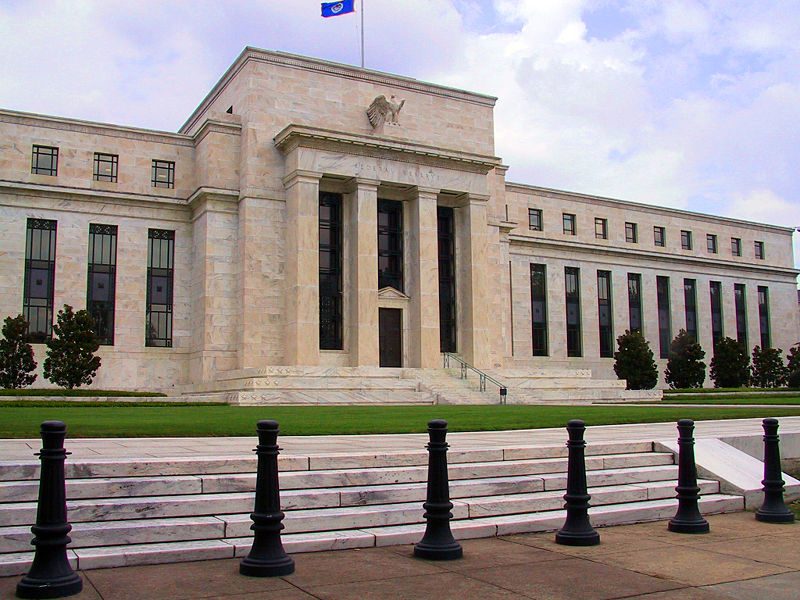
This week marks the fifth anniversary of the global financial crisis. Five years ago, the world of finance was shocked when BNP Paribas announced a freeze of three of…
This week marks the fifth anniversary of the global financial crisis. Five years ago, the world of finance was shocked when BNP Paribas announced a freeze of three of…
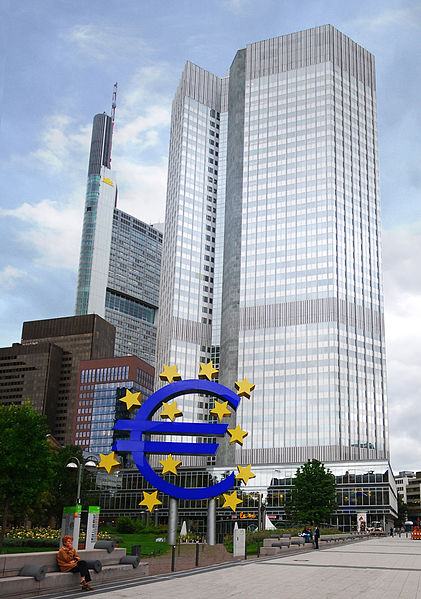
The recent IMF recommendation for a second aid package to Greece—amounting to 28 billion Euros over the next four years—helped push through the biggest sovereign debt restructuring in history,…
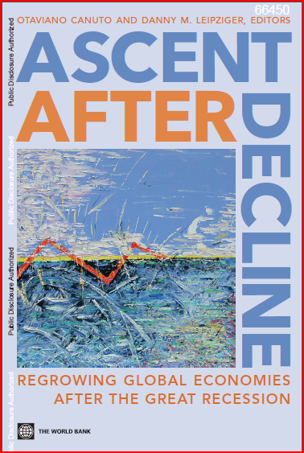
ASCENT AFTER DECLINE: REGROWING GLOBAL ECONOMIES AFTER THE GREAT RECESSION Q&A transcript: Regrowing the Global Economy with co-editor and World Bank VP Otaviano Canuto The great recession of…

There is more the state can do to help drive post-crisis growth. In addition to its role in regulating financial systems, the state can play a very vital role as an investor in the knowledge economy by supporting policies and making investments that catalyze both market and firm growth.
Growth in emerging economies – and developing countries in general – has exhibited strong resilience to the downward pull from advanced economies. However, its full potential can only be tapped if all boats are lifted; if advanced economies also find how to ascend after declining.
The great recession of 2007-09 has left permanent scars in the world economy, and the global recovery has lost steam. Advanced economies are still struggling with high unemployment and debt, and the remarkable role that emerging markets have played as engines of the recovery is no longer certain. In this new book, co-edited by Otaviano Canuto and Danny M. Leipziger, more than a dozen distinguished contributors scan the economic horizon, spell out the new fiscal reality, and highlight the policy choices on which economic regrowth will depend.
Investing more on roads, bridges and schools is an essential part of President Obama's American Jobs Act. If this is important in the current U.S. context, the role of…

Market volatility, fears of a double-dip, lack of investor confidence and social demonstrations from Wall Street to Main Streets around the world are just some of the headlines we…
The world of presumed stable monetary and financial conditions was severely shaken by the recent global financial crisis. And with that, the separation in some quarters of financial supervision…

Project Syndicate Not long ago, the separation of financial supervision and monetary policy was in vogue in many countries. Some countries – like the United Kingdom and Australia – went…
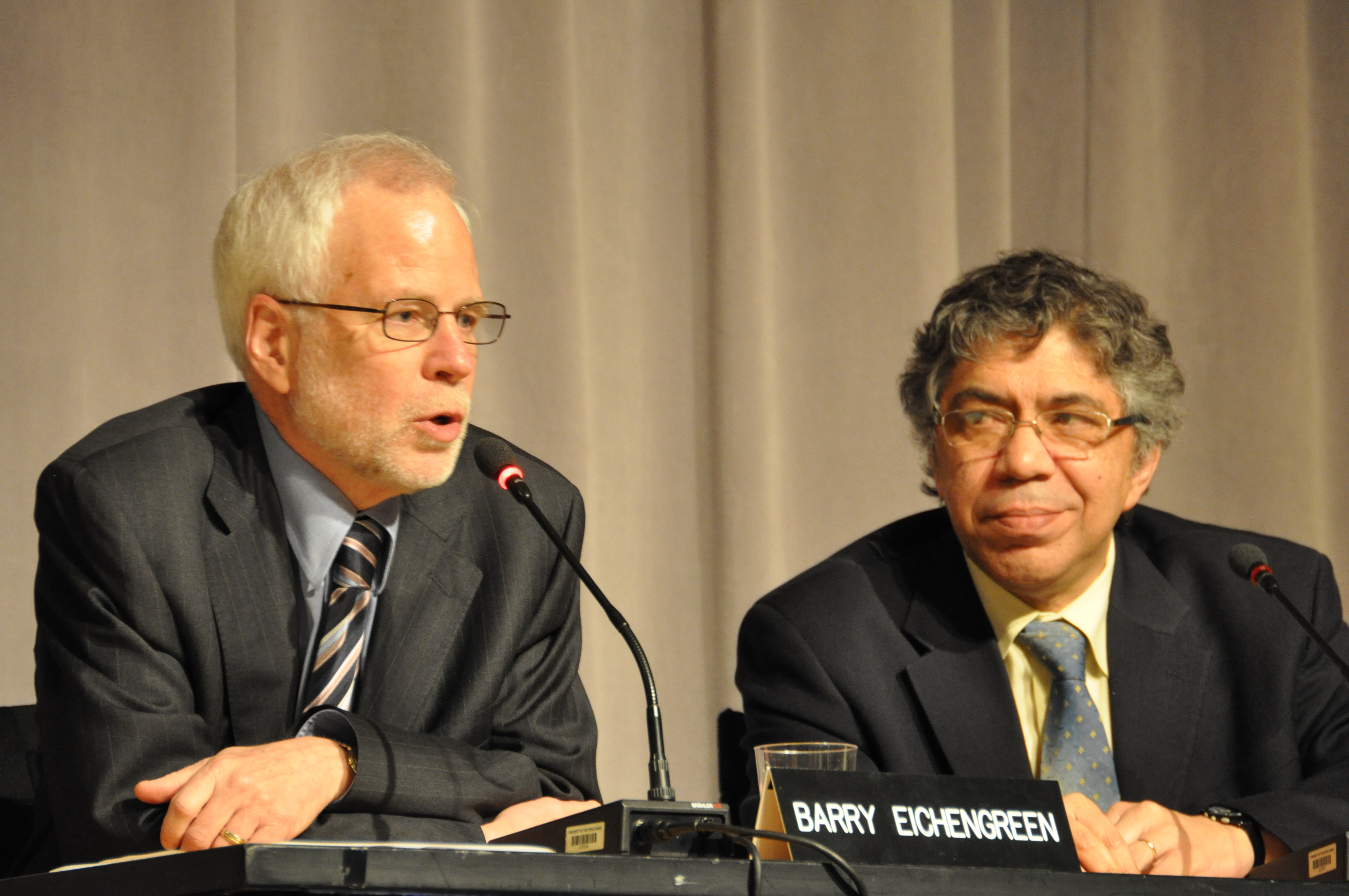
Is the U.S. dollar really doomed? If it were for some headlines, you would certainly think so. Because of the “Made in the U.S.A” financial crisis, growing budget deficits…

Developing countries are emerging as the new engine of global growth, but this success has led to new challenges that policy makers must overcome if their countries are to continue driving the world economy forward.
The Day After Tomorrow: A Handbook on the Future of Economic Policy in the Developing World (at the Wilson Center) https://youtu.be/bAu0GhuwX7Y Economists Otaviano Canuto (right) and Marcelo Giugale pointed to a major…

An energetic debate on the danger of a global currency war has flared up in recent months, stoked by a renewed move to “quantitative easing” in the United States,…
The recovery in advanced economies is now exhibiting several signs of fragility and the medium-term growth prospects for these economies also look difficult. Could developing economies “switch over” to become locomotives in the global economy, providing a countervailing force against downward trends? The view taken here says, yes, as long as appropriate domestic policies and reforms are pursued in developing countries.