De-dollarization, Local Currencies, and External Financial Defense

The international monetary system has been dominated by the U.S. dollar since the Second World War. The hegemony of the greenback cut across the end of the dollar exchange standard established by the Bretton Woods Agreement, and came out from the global financial crisis—and the euro crisis—even stronger than before. The euro area and China are taking steps to strengthen the international role of their currencies, but surmounting the inner strength of the dollar-based monetary system cannot be taken for granted. This is visible in two aspects of the rising profiles of competitors to the dollar-based system: the growing use of local currencies in cross-border payments between China and other countries—particularly the BRICS—and the role played by the euro and the renminbi in cross-country financial safety nets.
Continue ReadingDe-dollarization, Local Currencies, and External Financial Defense

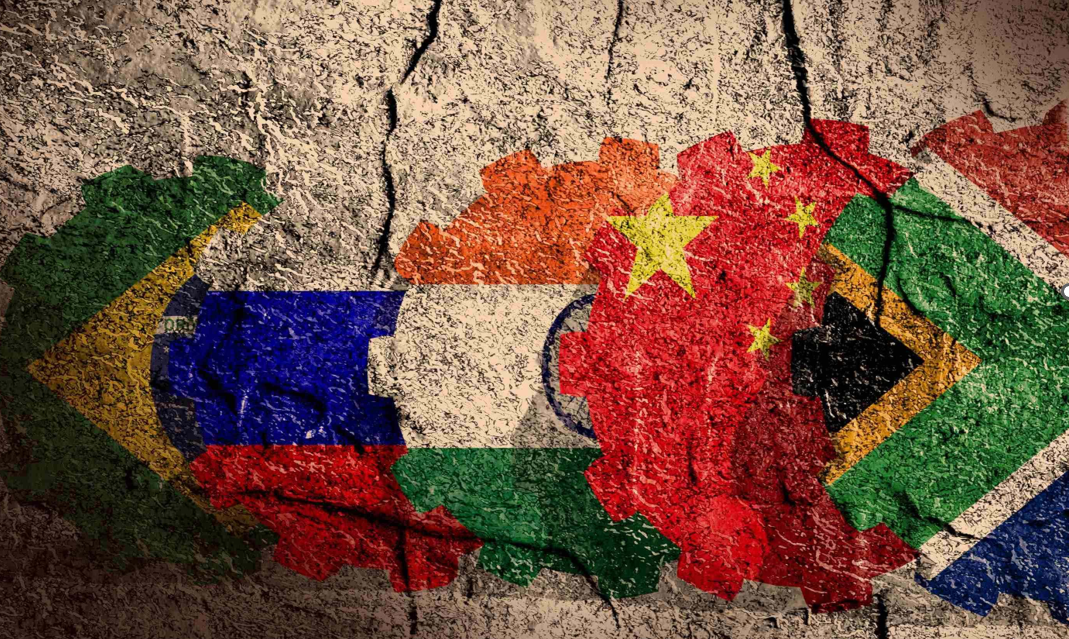
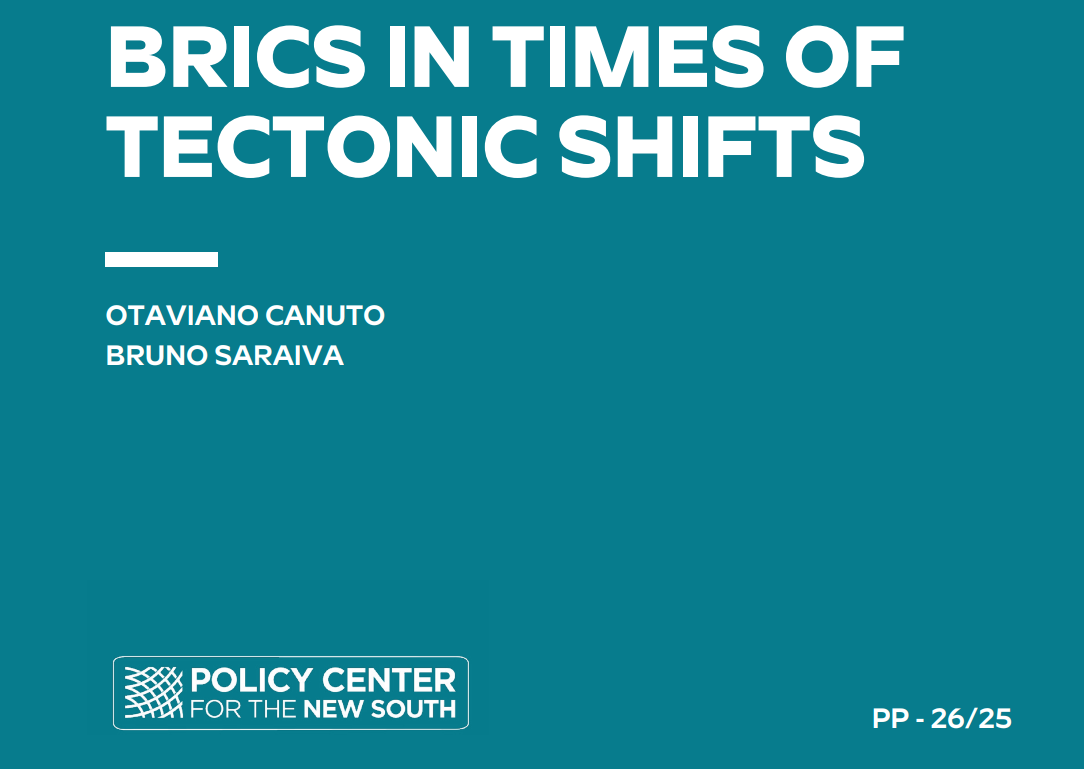
BRICS in Times of Tectonic Shifts

This article assesses the economic performance of the original BRICS economies, relative to the growth and currency appreciation projections presented in the papers that introduced the acronym, prior to the grouping becoming a diplomatic, political, and economic reality. It also discusses the BRICS agenda in the current challenging geopolitical context, in which economic fragmentation tends to raise costs for the global economy and presents considerable obstacles for emerging and developing economies.

Continue ReadingBRICS in Times of Tectonic Shifts

Lula’s BRICS balancing acts in Rio

Despite the exercise of BRICS balancing act, President Donald Trump threatened "extra 10% tariff over ‘anti-American’ BRICS policies". And, last week, he threatened to impose a 50% tariff on Brazil, making references to the legal process against former President Jair Bolsonaro for a planned coup plot, as well as to measures taken by Brazil’s Supreme Court against U.S .social media platforms. Presumably, from Mr. Trump’s perspective, pursuing lower reliance on the US dollar was enough to push Lula and the BRICS off their balancing act.

Continue ReadingLula’s BRICS balancing acts in Rio

BRICS em tempos de reacomodação tectônica

Este artigo avalia o desempenho das economias originais do BRICS relativamente às projeções de crescimento e apreciação cambial apresentadas nos artigos que lançaram o acrônimo antes de o agrupamento se tornar uma realidade diplomática, política e econômica. Na sequência, discutimos a agenda BRICS no atual contexto geopolítico desafiador, no qual a fragmentação econômica tende a elevar custos para a economia mundial e apresenta obstáculos consideráveis para economias emergentes e em desenvolvimento.

Continue ReadingBRICS em tempos de reacomodação tectônica

Moedas locais dos BRICS e a desdolarização

O uso crescente de moedas locais em pagamentos externos, nos BRICS ou fora deles, será parte do que já chamamos de “desdolarização devagar e limitada”. Como parcela das reservas globais, o dólar americano caiu de um pouco acima de 70% em 2000 para um pouco abaixo de 60% em 2022. Contudo, enquanto uma moeda local não for plenamente conversível, permanecendo sujeita a regulações restringindo a liquidez e a disponibilidade de ativos - como permanece sendo o renminbi - não cumprirá a função de reserva externa de valor para o grosso dos agentes na economia global.

Continue ReadingMoedas locais dos BRICS e a desdolarização

Public financing of green innovation: Matchmaking of offers and demand for financing + Economic and Political Impacts of COVID-19 on BRICS Countries

Public financing of green innovation: Matchmaking of offers and demand for financing - Relevant recent literature states that direct and pervasive public financing has been instrumental in the development of innovative technological trajectories. The reasoning builds on: (i) the presence of finance from public sources across the entire innovation chain; (ii) the concept of ‘mission-oriented’ policies that have created new technological and industrial landscapes; and (iii) the entrepreneurial and lead investor role of public actors, willing and able to take on extreme risks, independent of the business cycle. On the other hand, public financing depends largely on the availability of funds. The available capital (human or otherwise) for different jurisdictions is different, which may motivate a case for heterogeneity of policies regarding innovation funding. ------------------- Economic and Political Impacts of COVID-19 on BRICS Countries The event, organized by GEBRICS/USP and the Department of International and Comparative Law (DIN) of the Faculty of Law, University of São Paulo, aims to bring together professors, researches, specialists and diplomatic representatives from all BRICS countries

Continue ReadingPublic financing of green innovation: Matchmaking of offers and demand for financing + Economic and Political Impacts of COVID-19 on BRICS Countries

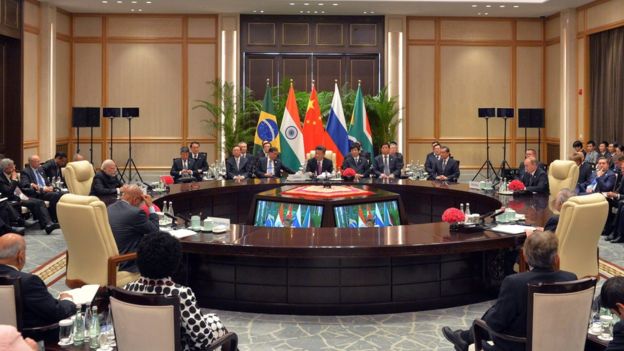
Brics obsoleto? Os avanços e as fraquezas do ‘supergrupo’ de potências emergentes

  Brics obsoleto? Os avanços e as fraquezas do ‘supergrupo’ de potências emergentes Mariana Schreiber Enviada especial da BBC Brasil a Goa (Índia) 14 outubro 2016 Direito de imagemEUROPEAN PHOTOPRESS AGENCYImage captionOs…

Continue ReadingBrics obsoleto? Os avanços e as fraquezas do ‘supergrupo’ de potências emergentes