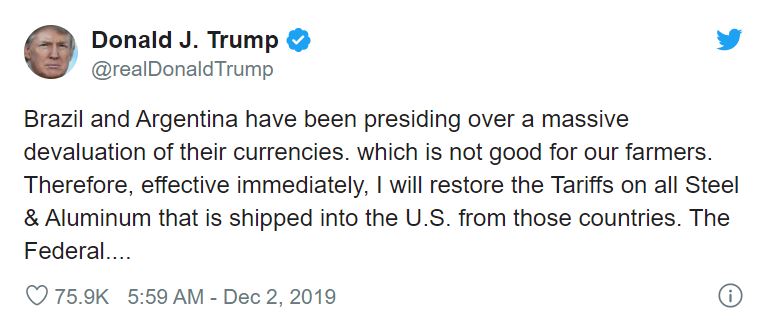
Trying to make sense of Mr. Trump’s tweet on Brazil and Argentina

In our view, while clarification and formalization of measures do not come, I have to agree with a former colleague on the IMF Executive Board of Directors, the Argentine Hector Torres, who in a comment Monday on LinkedIn noted: “President Trump believes that governments of Brazil and Argentina are manufacturing currency devaluations to damage US farmers… and respond by raising tariffs on imports of steel and aluminum… the premise is wrong and the reaction folly! ”. Not without first contributing to the uncertainty that, as we have observed, has already negatively impacted the global economy.
Continue ReadingTrying to make sense of Mr. Trump’s tweet on Brazil and Argentina

Aljazeera – How unpaid corporate taxes led to violent protests in Ecuador

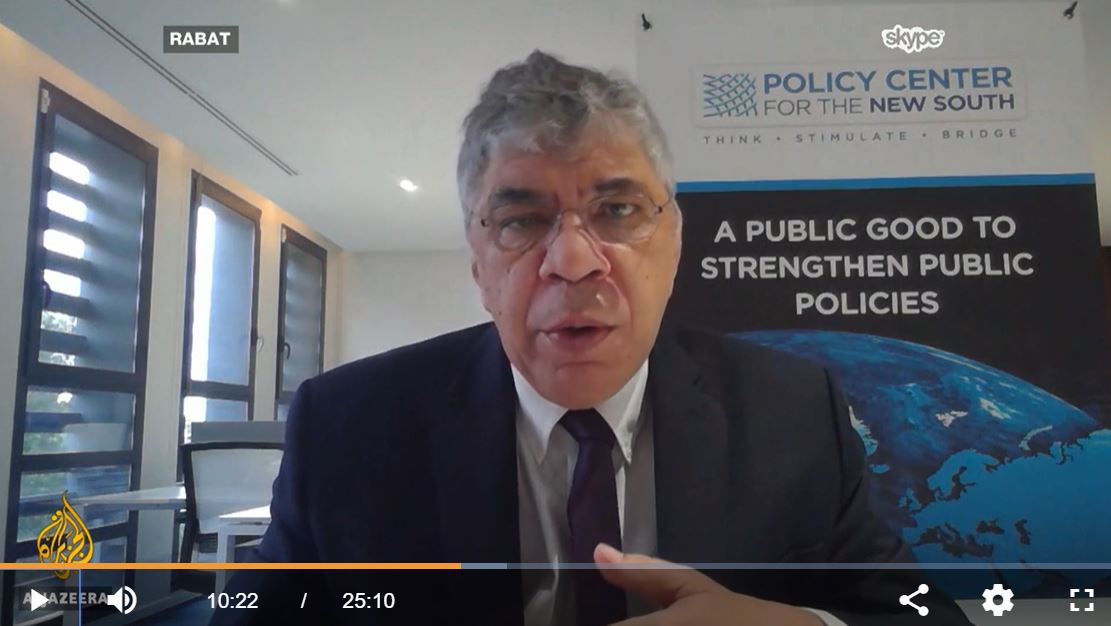
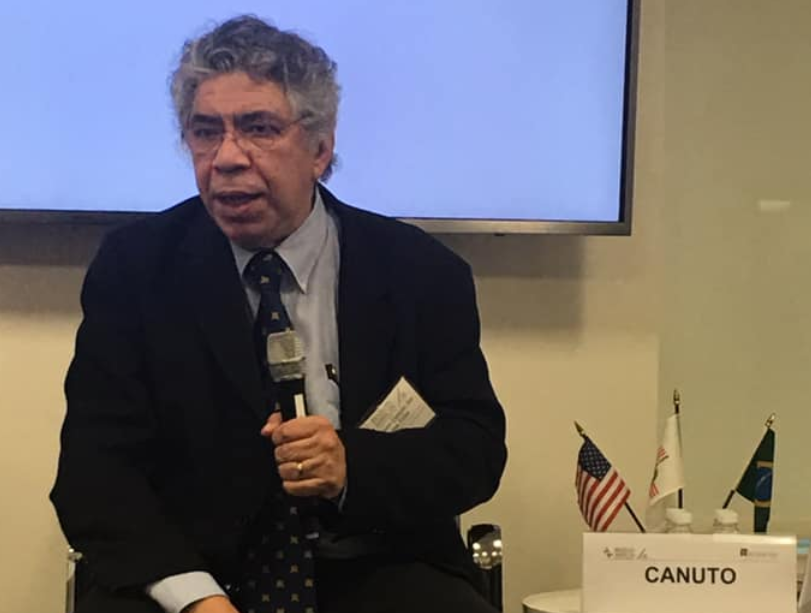
Otaviano Canuto, a senior fellow at the Policy Center for the New South who has also held roles at the IMF and the World Bank, tells Al Jazeera that the scrapping of fuel subsidies had differentiated impacts on the social structure in Ecuador. "Cutting the fuel subsidies, paradoxically, while in some other countries it might benefit particularly the poor, because as long as it is accompanied by compensatory social policies, the fact is that the major beneficiaries very often are the middle classes who use cars, who benefit from the oil subsidies and so on," Canuto says.

Continue ReadingAljazeera – How unpaid corporate taxes led to violent protests in Ecuador

Brazil must hold to structural reforms while undergoing slow economic recovery

Brazil's economic recovery after the deep 2015-16 recession has been the slowest on record, with GDP per capita last year remaining more than 9% below its pre-crisis peak. The IMF's annual report on the country's economy, released two weeks ago, estimated current GDP to be nearly 4% below its potential level, which suggests insufficiency of aggregate demand. On the other hand, as the slow recovery reflects structural factors, it is necessary to avoid the use of measures to reinforce such demand that might run against the confrontation of such problems.

Continue ReadingBrazil must hold to structural reforms while undergoing slow economic recovery

Brazil’s ‘Tropical Trump’ Needs to Build the Wall — Around the Country’s Finances

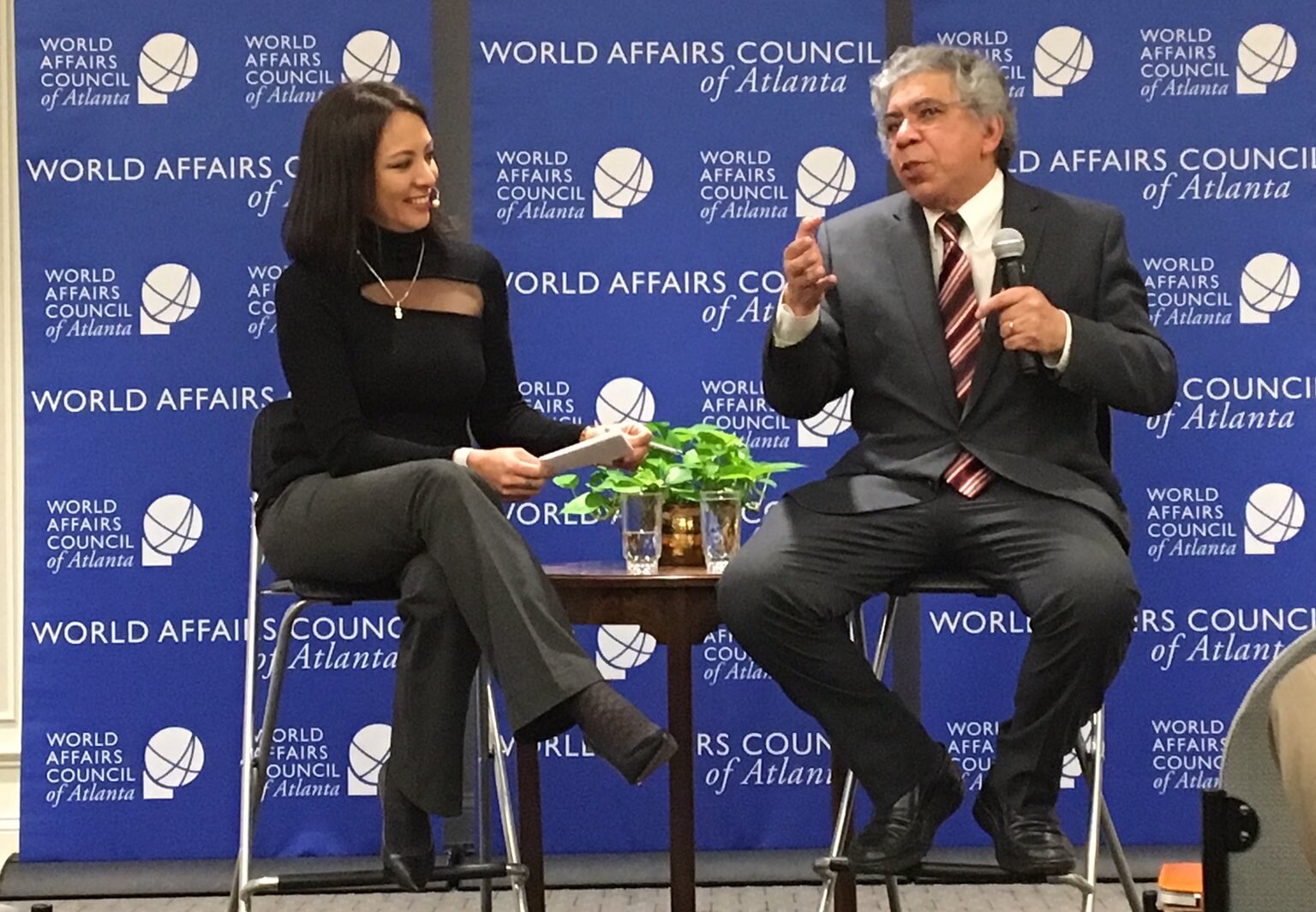
  GLOBAL ATLANTA JANUARY 24, 2019 | TREVOR WILLIAMS (Photo) Otaviano Canuto dialogues with CNN Espanols Gabriela Frias during a World Affairs Council of Atlanta event Wednesday night. Brazil’s new president has…

Continue ReadingBrazil’s ‘Tropical Trump’ Needs to Build the Wall — Around the Country’s Finances
Read more about the article Is It Finally Getting Easier to Do Business in Brazil?
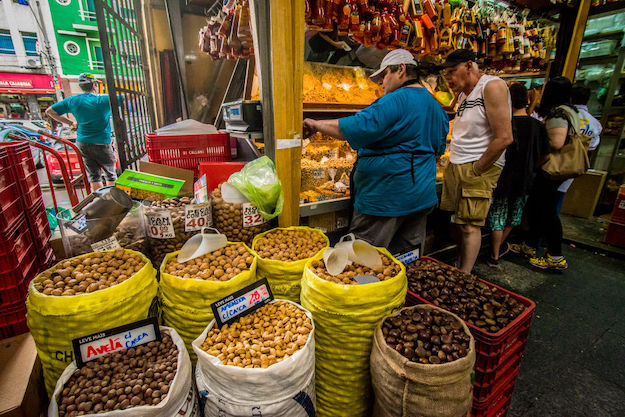
In the photo, consumer movement in Mercadao in Sao Paulo on 6 September 2018. The IPCA (National Broad Consumer Price Index) fell 0.09% in August, the IBGE said on on 6 September 2018. It was the lowest rate for the month since 1998, when the indicator showed a fall of 0.51%. Despite the deflation in August, the index advanced by 2.85%, above the 1.62% registered in the same period in 2017. For the 12-month period, the IPCA is up 4.19%. The food sector presents the second consecutive month of deflation. Of the items consumed by the family, the sharpest decline in August came from onions, with a drop of 22.9%, followed by English potatoes, down 11.89%. (Photo by Cris Faga/NurPhoto)

Is It Finally Getting Easier to Do Business in Brazil?

Recent reforms have helped improve Brazil's business environment. Further changes could do away with the "Brazil cost" once and for all.

Continue ReadingIs It Finally Getting Easier to Do Business in Brazil?