
The Global Impact of President Trump’s Reciprocal Tariffs: Implications for Developing Countries
President Donald Trump's "Reciprocal Tariff" policy, announced on April 2, 2025 (dubbed "Liberation Day"), represents one of the most significant shifts in U.S. trade policy in nearly a century. Trump’s policy imposes a baseline 10% tariff on all imports and additional country-specific tariffs that range from 10% to 50% for countries designated as having "non-reciprocal trading practices" with the U.S. These specific tariffs are determined based on each country’s bilateral trade balance with the U.S. Postponements and bilateral trade negotiations started after April 9, 2025. This paper develops a two-country general equilibrium model to analyze the economic implications of the originally announced “Reciprocal Tariff” policy, with particular emphasis on developing countries. Initially characterized by a trade deficit in the U.S. and asymmetric tariff structures, the model explores the effects of the U.S. unilaterally raising its tariffs to match those of its trading partners. We incorporate comparative advantage (CA), sectoral heterogeneity, and the interaction of tariff policy with monetary policy. The results suggest that while tariff equalization can reduce trade imbalances and improve U.S. terms of trade, it generates efficiency losses and results in ambiguous welfare outcomes. A calibrated policy mix is required to balance trade, inflation, growth, and equity objectives. While the administration framed these tariff reciprocal measures as essential for addressing trade imbalances and strengthening American manufacturing, our analysis identifies significant economic repercussions for developing economies. Key findings include the disproportionate impact on developing nations with export-oriented growth strategies, disruption of global value chains, potential reversal of development gains, and acute vulnerability for many African and Asian nations that face some of the highest tariff rates. The policy would likely trigger structural economic changes in the global trading system, with implications that extend well beyond the immediate tariff impacts.

The Global War of Subsidies
Janet Yellen warns China against flooding the world with cheap exports of clean energy. Excess industrial capacity and government support in China's clean energy sector were discussed by US Treasury officials. The US, EU, South Korea, Japan, and Australia are implementing subsidy programs to protect their domestic industries and compete with China.
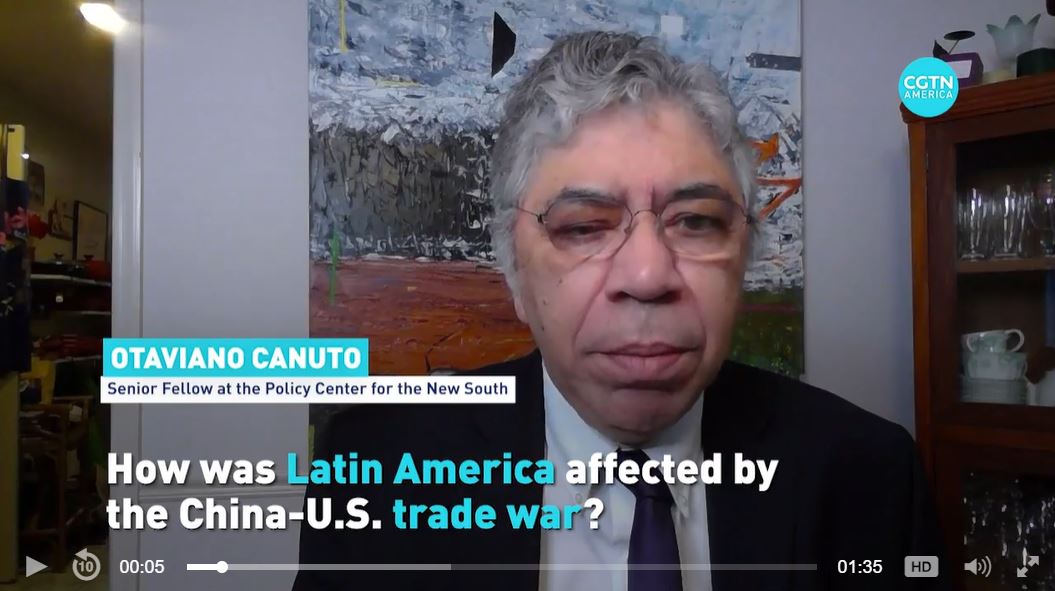
Does Latin America gain or lose from China-U.S. trade war? Otaviano Canuto at CGTN
CGTN spoke with Otaviano Canuto, a senior fellow at the Policy Center for the New South, about the current and future impact of the China-U.S. trade war on Latin America and Europe.
MISH TALK May 10, 2019 https://moneymaven.io/mishtalk/economics/dear-president-trump-stop-the-damn-trade-lies-k5NFyqo6dEGhQQFCSp7OkQ
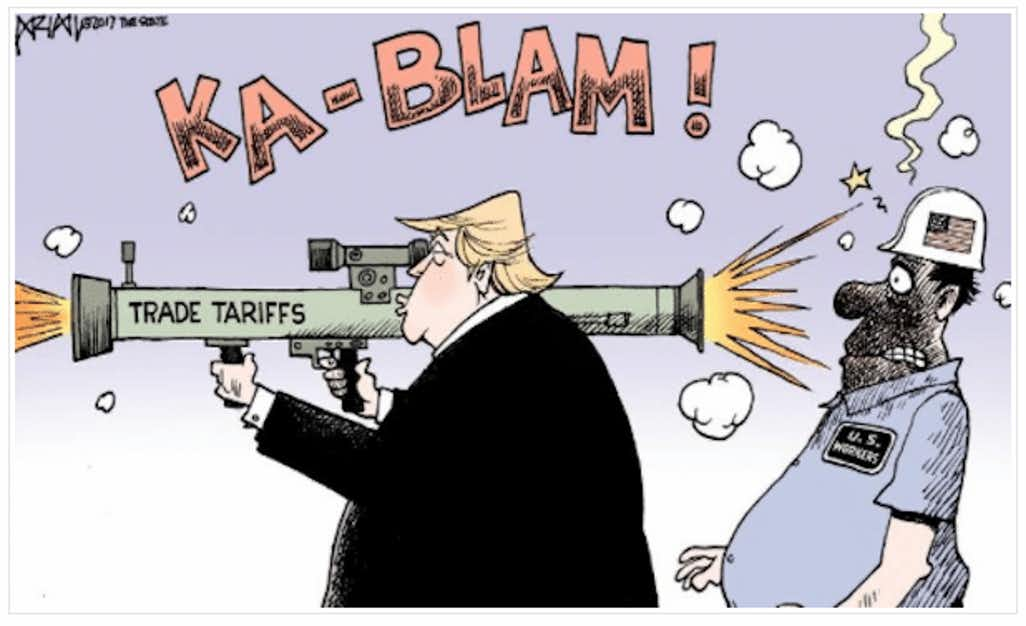
Trump Tariffs Have Hurt U.S. Manufacturing Jobs
The hike in tariffs imposed by the United States against its major trading partners since early 2018 has been unprecedented in recent history. President Trump alluded to, among others, the goal of revitalizing jobs in the country's manufacturing industry by protecting it from unfair trade practices of other countries, particularly China. However, according to a study by two Federal Reserve Bank staff - Aaron Flaaen and Justin Pierce - released last December 23, the effect so far has been just the opposite, i.e. a reduction in U.S. manufacturing employment!

The US-China Trade War Is Accelerating China’s Rebalancing
Over the past two years, with the US-initiated war, investors from Taiwan, Japan and the US have already accelerated the transfer of assembly lines and supply contracts in their ITC value chains from China to Vietnam, Thailand, Indonesia and, to a lesser extent, Mexico. On the other hand, the leap to the top of the technology ladder is what seems to be required long before the expected time…
The Leader Campus Voices interview with Otaviano Canuto (2)
This week's Voices interview (10/29/2019) is with Otaviano Canuto, of the Brookings Institute and the Policy Center for the New South - formally of the World Bank, as we visit him once again to discuss the economy. He speaks about the U.S. economy slow down and about the world economy, which could struggle after the Brexit event. Listen to his insight on this week's Leader Campus Voices.
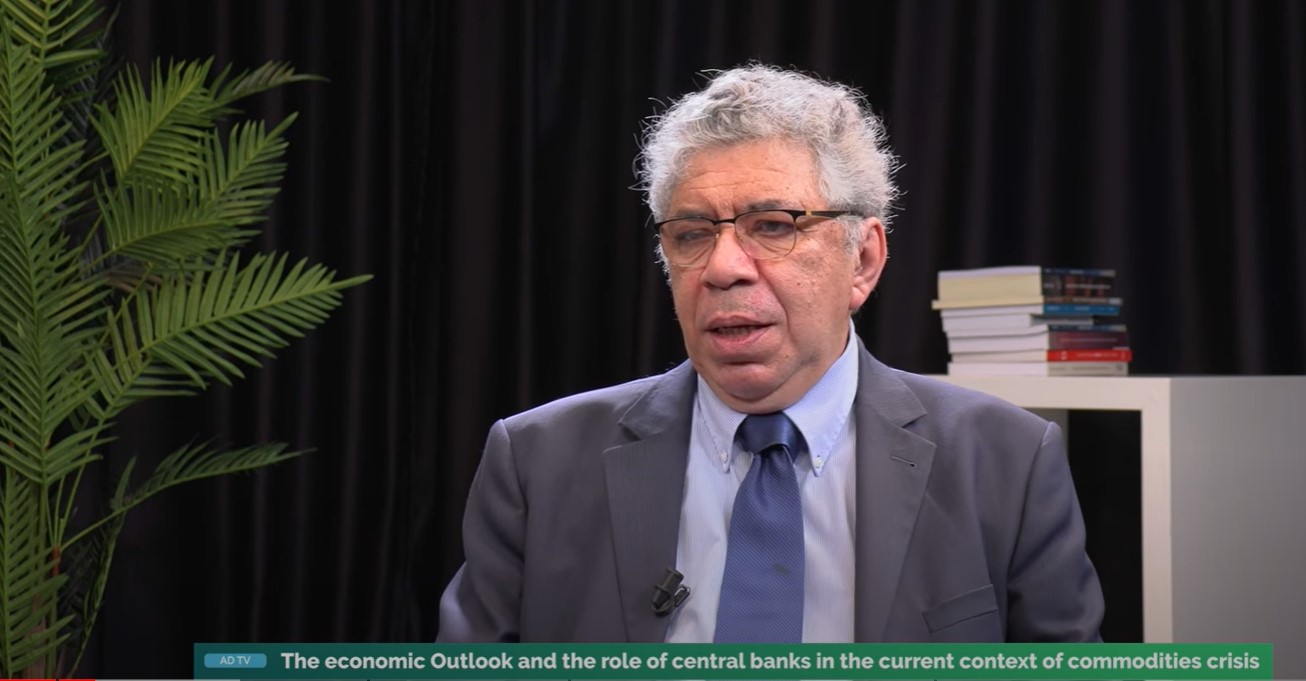
Latin America Is Not Benefiting from the U.S.-China Trade War
Even from the standpoint of those Latin American economies accruing short-term gains from the trade war between U.S. and China, the negatives will likely outweigh the positives
The Heat: China-Latin America economic ties
Published September 12, 2019 at 5:56 PM Economic ties between China and Latin America have grown exponentially over the last couple of decades. The recent trade war between China…

From ‘Rule of Law’ to ‘Law of the Jungle’: Global Trade seen through Twitter
Instead of "rule of (multilateral) law", the US's bilateral handling of its super-strong market condition (24 percent of global GDP) more closely resembles a “law of the jungle” where the stronger imposes with force its will on the weaker.

The US-China trade truce: a time-out or a possible armistice?
The US-China trade truce will become a time-out or an armistice pending on China's response regarding technology policy The trade truce between the United States and China, announced…
Protectionist Creeps
Project Syndicate Prospects for growth in global trade in 2016 and 2017 have been downgraded again. The World Trade Organization (WTO) now expects that trade this year will increase…