Brazilian Competitiveness: Folia and Hangover
As the Carnival in Brazil kicked off last weekend, Brazilians were ready for a party. They have reasons to celebrate. Despite a lackluster GDP performance in the last two…

As the Carnival in Brazil kicked off last weekend, Brazilians were ready for a party. They have reasons to celebrate. Despite a lackluster GDP performance in the last two…
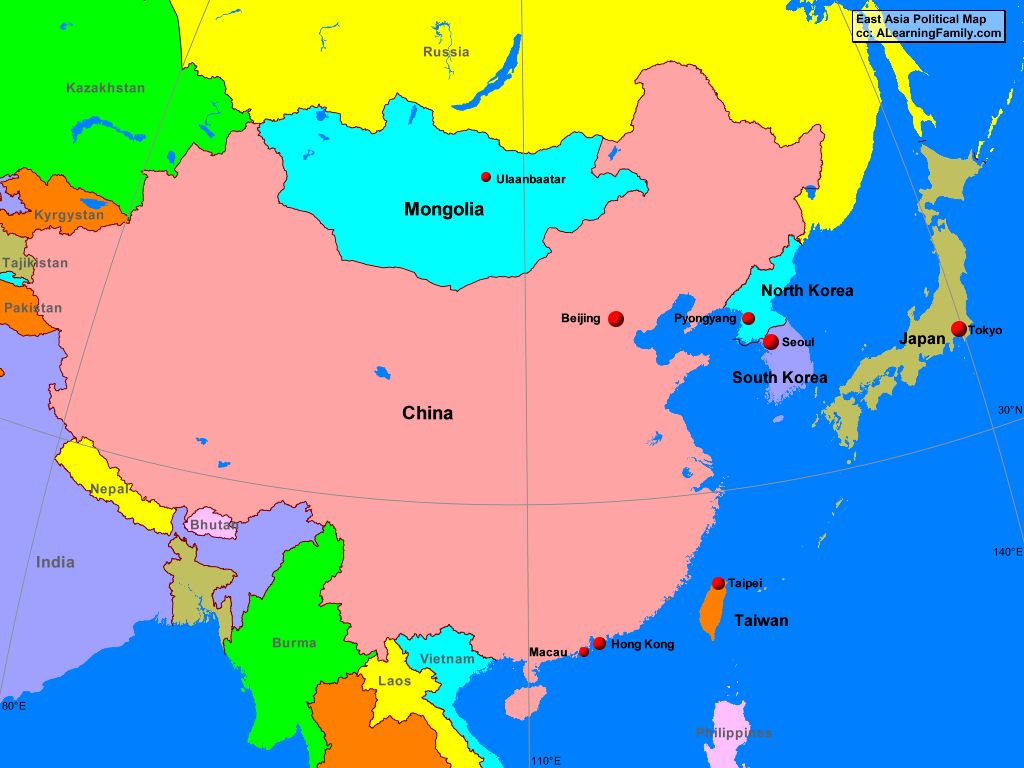
"The features of East Asia's experience in transitioning from middle- to high-income status provide important lessons for other countries that are attempting to follow suit."
Last May, in China, WTO Director-General Pascal Lamy remarked: “The global economy is being transformed at an unprecedented speed and at the heart of that transformation is the services economy.…
If it weren't for the economic performance of China, Brazil and other emerging markets, the global economic slump following the 2008 financial crisis would have been much worse. Not…

Capital Finance International, autumn 2012 The pace of global trade integration over the past two decades has been extraordinary. Trade has been a key driver of global growth, convergence,…
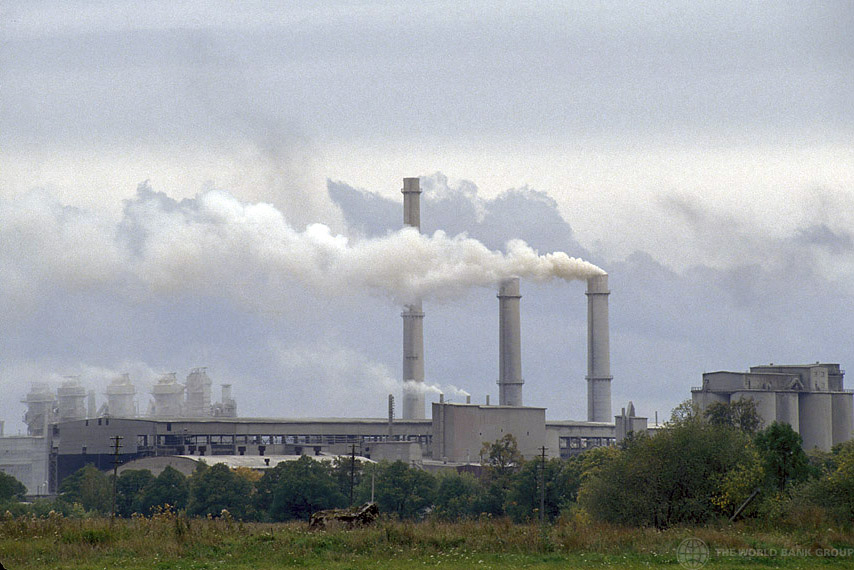
Over the past several decades international trade has expanded dramatically. Today, the volume of world trade is nearly 32 times greater than its level in 1950, and the ratio…
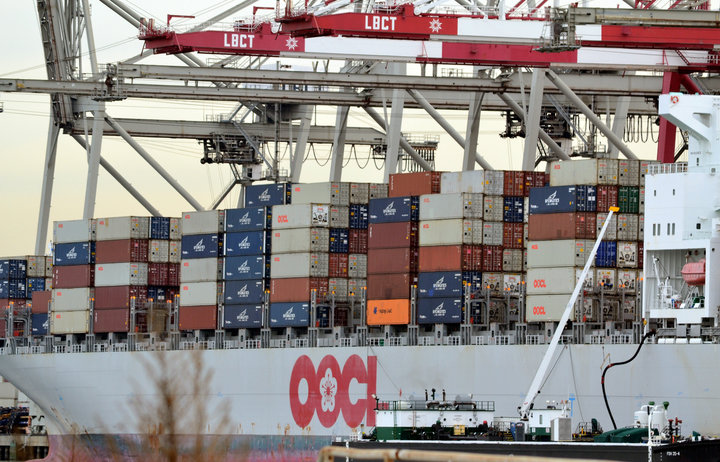
In 2001, trade representatives from around the world first arrived in Doha, the capital of tiny Qatar, for the latest round of World Trade Organization (WTO) negotiations. The goal…
Trade logistics, or the capacity of countries and companies to ship goods to international markets, is a key ingredient for economic competitiveness, growth, and poverty reduction. Poor logistics performance…
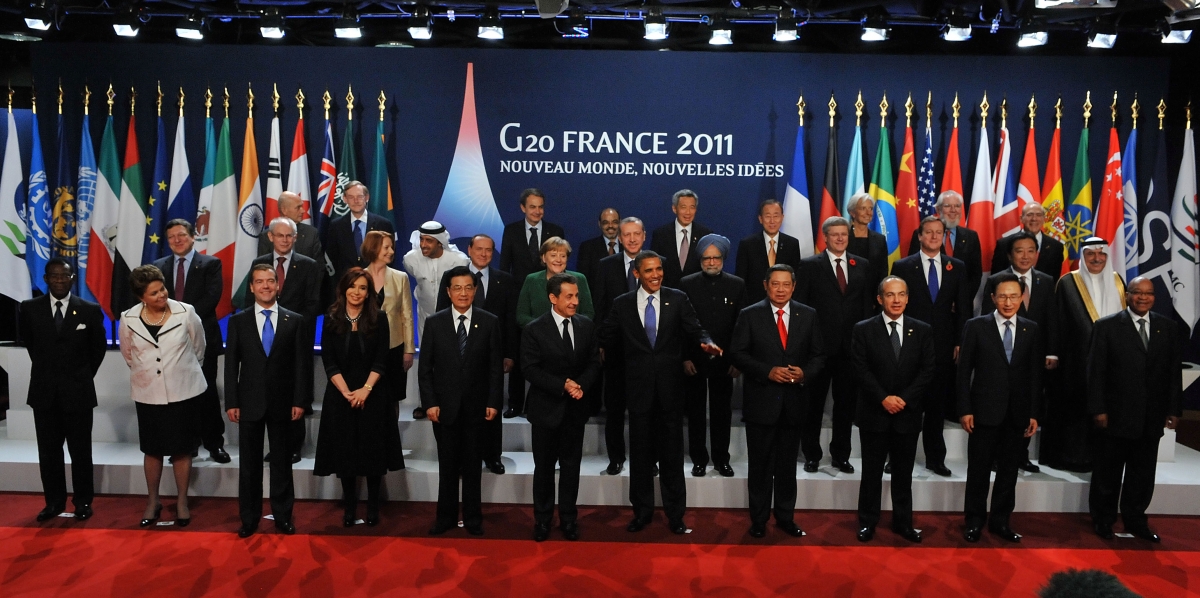
Last week, world leaders gathered in Cannes, France to discuss the future of the global economy. Key on the agenda were issues surrounding the European sovereign debt crisis, new…

Keynote speech at the "2011: VII Symposium: Trade Policy under a New Reality", October 14, 2011 Watch video here
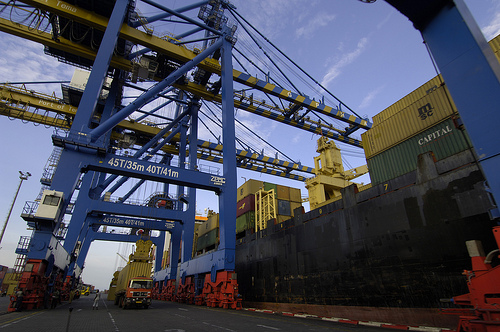
As the 2008-9 financial crisis spread from its epicenter in the United States to the rest of the world, policy makers found themselves in uncharted waters. The effects of…
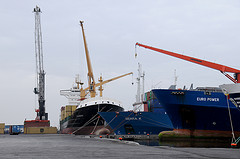
Europe and Asia provide two different models of integration and growth. The former relied on political willpower to create a unified common market; the latter based its integration on…
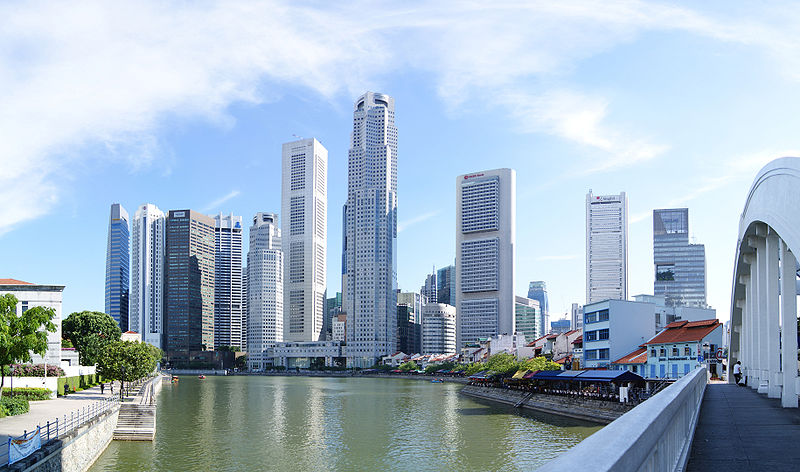
From Singapore to Shenzhen, Special Economic Zones—SEZs for short—have helped underpin the rapid export-oriented growth of East Asia. In an effort to replicate these sleepy-fishing-village-turn-thriving-metropolis success stories, many countries…

The Asian style of regional integration may be seen as a “quasi-common economy” that eschews a formal linkup in political or monetary terms, but manages to generate similar results…
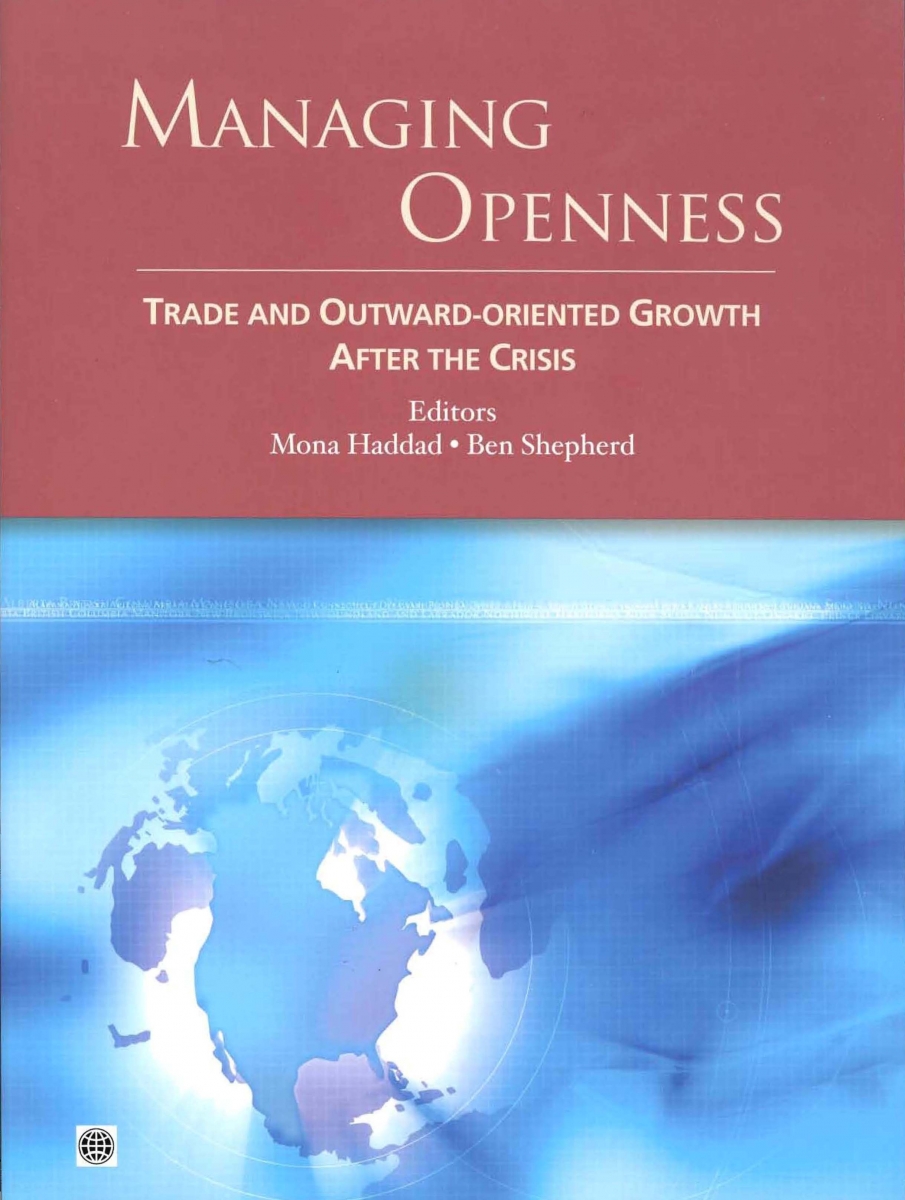
The global economic crisis uncovered many of the vulnerabilities of an increasingly integrated world. So much so, that even though we are now well on the path to recovery,…