
What It Takes for Trade to Reduce Poverty in Africa
Despite tremendous progress in poverty reduction over the last two decades, poverty still persists. Along with South Asia, Africa is a region where large numbers of people continue to live…

Despite tremendous progress in poverty reduction over the last two decades, poverty still persists. Along with South Asia, Africa is a region where large numbers of people continue to live…
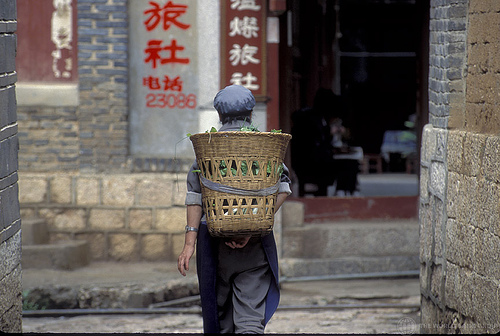
The metamorphosis of the dragon may involve painful growing pains, including the risks of a hard landing that many analysts attribute to the current transition. The forthcoming two decades are setting the next stage of a half-century that could be marked by dramatic economic transformation, creating both challenges and opportunities for China and the rest of the world.
Developing countries continue to face important challenges in boosting productivity growth in the difficult post-crisis environment, but also many opportunities to eliminate poverty and create shared prosperity.
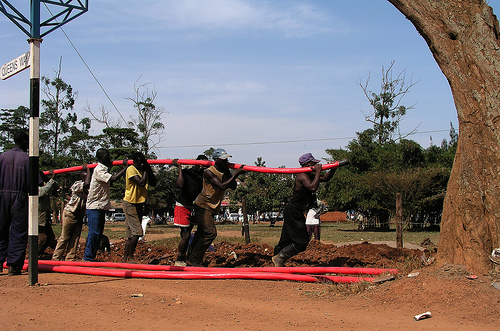
If it weren't for the economic performance of China, Brazil and other emerging markets, the global economic slump following the 2008 financial crisis would have been much worse. Not…
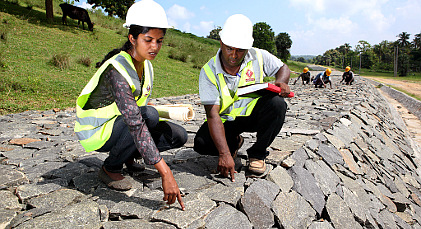
Global spotlights are on jobs. Headlines last Friday highlighted the US jobless rate, which fell to 7.8 percent, the lowest level in four years. There was a sense of…

As part of their response to negative shocks coming from advanced economies after Lehman's collapse in 2008, most developing countries resorted to countercyclical fiscal policy. Such a policy choice…

Gross Domestic Product, better known as GDP, is the market value of all final goods and services produced within a country in a given period. That's why GDP per…
Capital Finance International, autumn 2012 The pace of global trade integration over the past two decades has been extraordinary. Trade has been a key driver of global growth, convergence,…
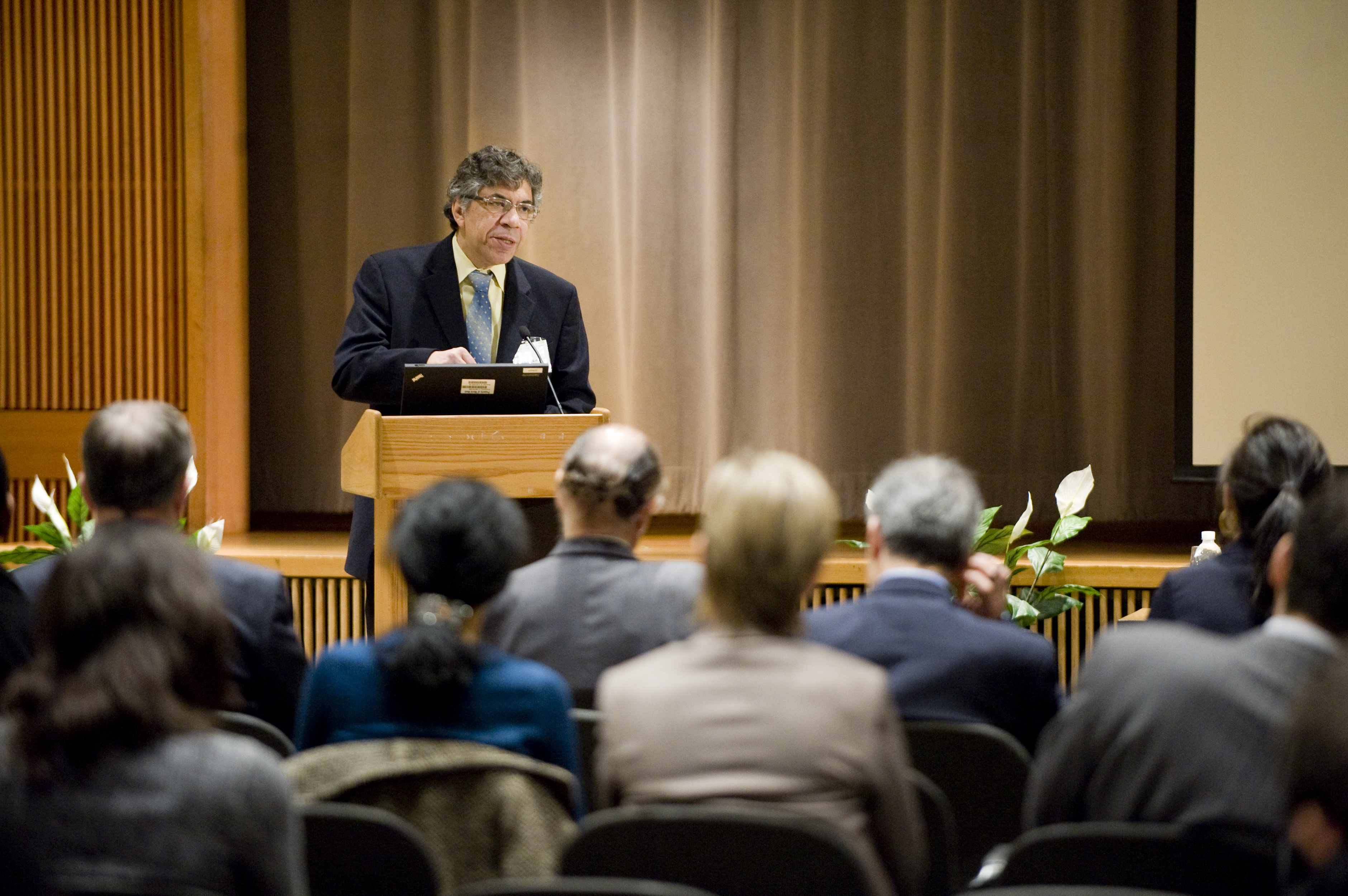
OECD/World Bank Recommends More Inclusive Growth Economic Policy MercoPress | May 25, 2012 "A key challenge for policymakers is to create an environment with fewer obstacles to the provision of…

Российская экономическая школа Published on Apr 11, 2012 New Schools of Economics, Moscow, Russia April 4, 2012 Public Seminar: Otaviano Kanuto (Vice President, Head of Poverty Reduction and Economic Management…
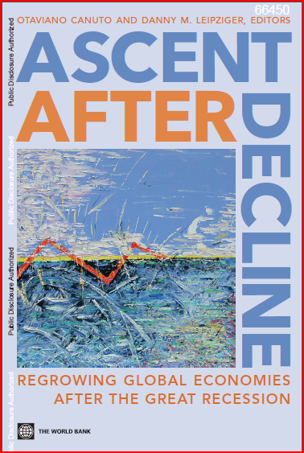
ASCENT AFTER DECLINE: REGROWING GLOBAL ECONOMIES AFTER THE GREAT RECESSION Q&A transcript: Regrowing the Global Economy with co-editor and World Bank VP Otaviano Canuto The great recession of…
There is more the state can do to help drive post-crisis growth. In addition to its role in regulating financial systems, the state can play a very vital role as an investor in the knowledge economy by supporting policies and making investments that catalyze both market and firm growth.
Growth in emerging economies – and developing countries in general – has exhibited strong resilience to the downward pull from advanced economies. However, its full potential can only be tapped if all boats are lifted; if advanced economies also find how to ascend after declining.
The great recession of 2007-09 has left permanent scars in the world economy, and the global recovery has lost steam. Advanced economies are still struggling with high unemployment and debt, and the remarkable role that emerging markets have played as engines of the recovery is no longer certain. In this new book, co-edited by Otaviano Canuto and Danny M. Leipziger, more than a dozen distinguished contributors scan the economic horizon, spell out the new fiscal reality, and highlight the policy choices on which economic regrowth will depend.

Globalisation has created interdependencies between EMEs and advanced economies (AEs) that are here to stay, and will continue to count heavily on the economic outcomes of both groups. Understanding and taking action on those two factors as they develop will be essential for policy makers and investors. Differentiation among EMEs in their potential for continuous growth and stability will depend on those actions.