Brazil, South Korea: Two Tales of Climbing an Income Ladder

The “middle income trap” may well characterize the experience of Brazil and most of Latin America since the 1980s. Conversely, South Korea maintained its pace of evolution, reaching a high-income status. Such divergence of economic growth can be related to their distinctive performances of domestic accumulation of technological and organizational capabilities. Their different approaches to global value chains and trade globalization reinforced such discrepancy in domestic accumulation processes.
Continue ReadingBrazil, South Korea: Two Tales of Climbing an Income Ladder

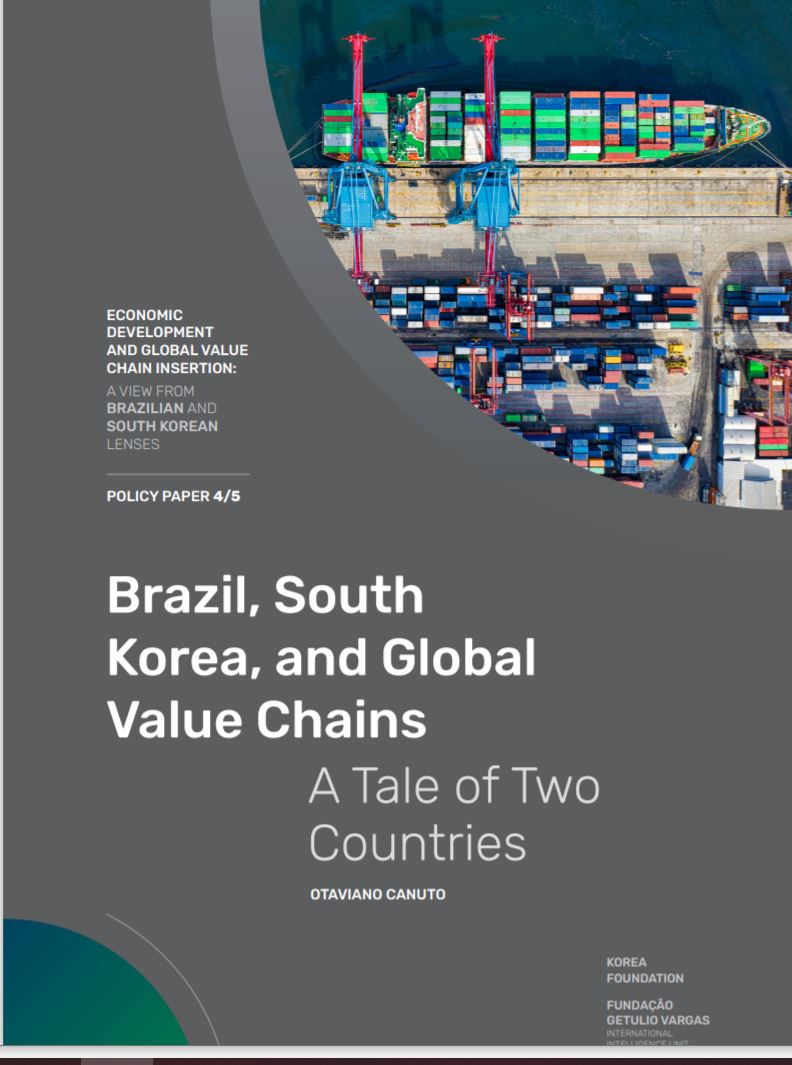
Brazil, South Korea, and Global Value Chains: A Tale of Two Countries

South Korea has climbed the income per capita ladder up to high levels, while Brazil may be considered a case of a “middle-income trap”. Such divergence of economic growth performances can be related to their distinctive approaches to global value chains and trade globalization, as well as to domestic accumulation of technological and organizational capabilities.

Continue ReadingBrazil, South Korea, and Global Value Chains: A Tale of Two Countries
Read more about the article Brazil’s Economic Crossroads: Which Path Will It Choose?
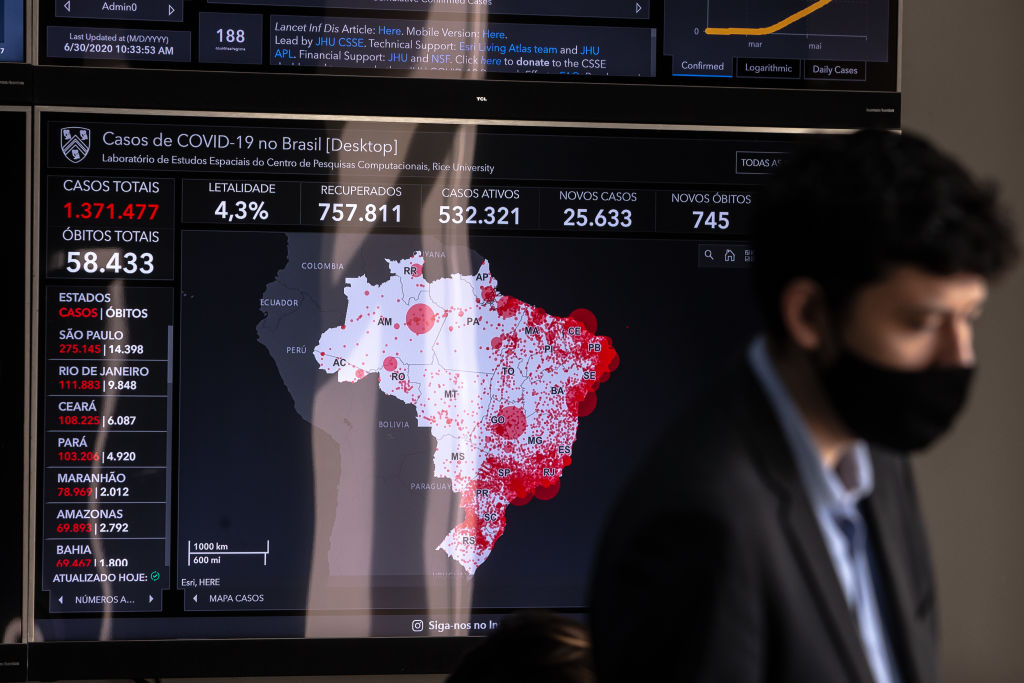
A screen displays data inside the Ministry of Science, Innovation, Technology and Communication's (MCTIC) crisis management command center in Sao Paulo, Brazil, on Tuesday, June 30, 2020. Brazil's telecommunications operators have provided the government with geolocation data to help monitor population mobility, concentration and risk of contamination in an effort to help stop the spread of the coronavirus. Photographer: Jonne Roriz/Bloomberg via Getty Images

Brazil’s Economic Crossroads: Which Path Will It Choose?

The scar of COVID-19 will take a long time to heal. And the country will also have to battle on the economic side, where the impact will be deep and long-lasting. Starting from a jump in the already high level of debt in relation to its GDP, coming from both sides of the equation: spending has skyrocketed while a steep decline in its gross domestic product is expected for this year. A combination of a credible return to the fiscal adjustment path and investment-friendly structural reforms would also have the additional positive effect of making possible new rounds of foreign capital inflows. That would reinforce the likelihood that the Brazilian economy will go down the optimistic path of growth and debt, rather than the pessimistic one.

Continue ReadingBrazil’s Economic Crossroads: Which Path Will It Choose?

Brazil 2020-21: Predictions and Perspectives

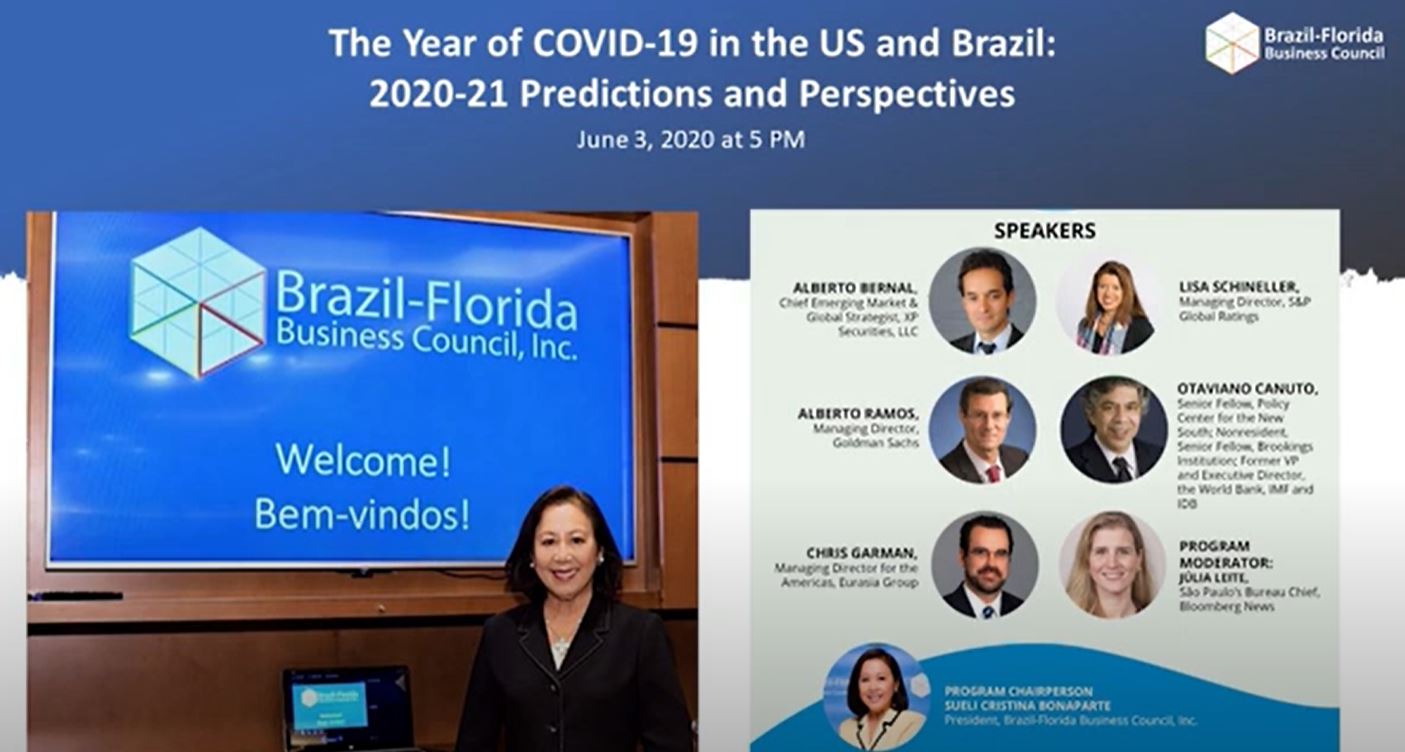
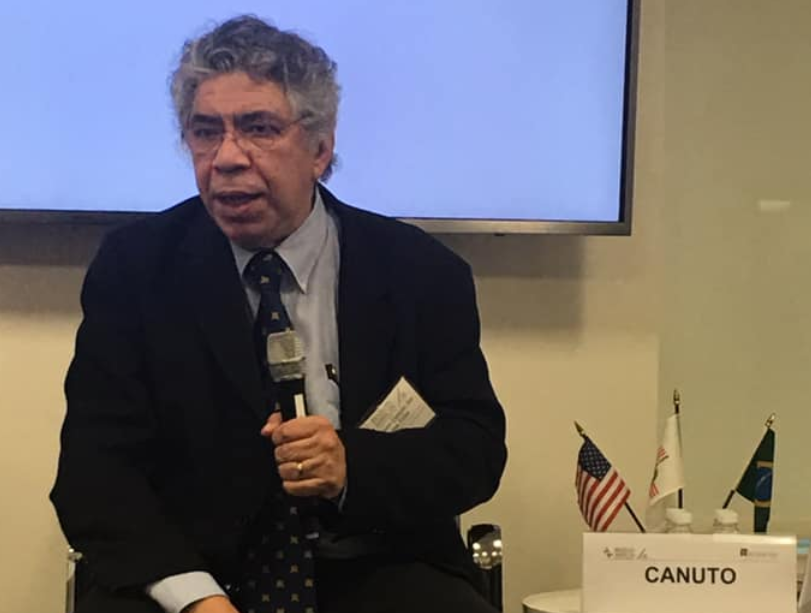
Brazil-Florida Business Council 2020-21: Predictions and Perspectives Join us to hear from this spectacular assemble of celebrated speakers on their predictions and perspectives for 2020-21 in the US and Brazil, as both economies are struggling during a global health and economic pandemic: Alberto Ramos, Alberto Bernal, Lisa Schineller, Otaviano Canuto, and Christopher Garman. Program moderator: Julia Leite

Continue ReadingBrazil 2020-21: Predictions and Perspectives

Does the Brazilian policy for oil revenues distribution foster investment in human capital?

This paper assesses the effect of oil revenues on health and education indicators (measures for human capital) in the Brazilian municipalities using exogenous oil price variations. The Oil Law of 1997, apart from to hugely increase the amount of oil revenues distributed to the eligible municipalities due to the withdraw of the internal control price system, broadened its possible uses by the eligible municipalities, including investments in health and education in addition to traditional investments in infrastructure. Since Brazil has decentralized primary education and primary health care provision to the municipalities, we use the oil price as an external intervention in local economies to identify the effect of the non-renewed natural resources in promoting sustainable growth. We also explore the high inequality in oil revenues distribution among municipalities. Similar to the previous literature, our results point to a small improvement of the human capital indicators in the long run. The contribution of the largest oil revenue recipients, however, is null for these indicators.

Continue ReadingDoes the Brazilian policy for oil revenues distribution foster investment in human capital?
Read more about the article Brazil’s Biggest Economic Risk Is Complacency
PRISCILA ZAMBOTTO

Brazil’s Biggest Economic Risk Is Complacency

This year can be a decisive one for Brazil’s transition to a more robust and sustainable growth path – but only if the government commits to fiscal and structural reform. If Brazil’s leaders fail to take this opportunity to lay the foundations for long-term prosperity, it may not be long before the economy stalls again.

Continue ReadingBrazil’s Biggest Economic Risk Is Complacency

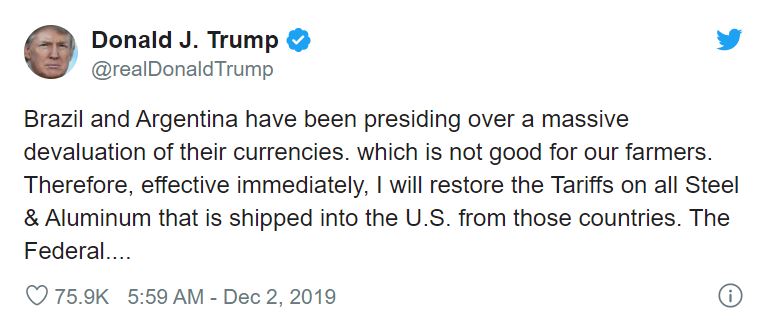
Trying to make sense of Mr. Trump’s tweet on Brazil and Argentina

In our view, while clarification and formalization of measures do not come, I have to agree with a former colleague on the IMF Executive Board of Directors, the Argentine Hector Torres, who in a comment Monday on LinkedIn noted: “President Trump believes that governments of Brazil and Argentina are manufacturing currency devaluations to damage US farmers… and respond by raising tariffs on imports of steel and aluminum… the premise is wrong and the reaction folly! ”. Not without first contributing to the uncertainty that, as we have observed, has already negatively impacted the global economy.

Continue ReadingTrying to make sense of Mr. Trump’s tweet on Brazil and Argentina

Brazil must hold to structural reforms while undergoing slow economic recovery

Brazil's economic recovery after the deep 2015-16 recession has been the slowest on record, with GDP per capita last year remaining more than 9% below its pre-crisis peak. The IMF's annual report on the country's economy, released two weeks ago, estimated current GDP to be nearly 4% below its potential level, which suggests insufficiency of aggregate demand. On the other hand, as the slow recovery reflects structural factors, it is necessary to avoid the use of measures to reinforce such demand that might run against the confrontation of such problems.

Continue ReadingBrazil must hold to structural reforms while undergoing slow economic recovery

Brazil’s ‘Tropical Trump’ Needs to Build the Wall — Around the Country’s Finances

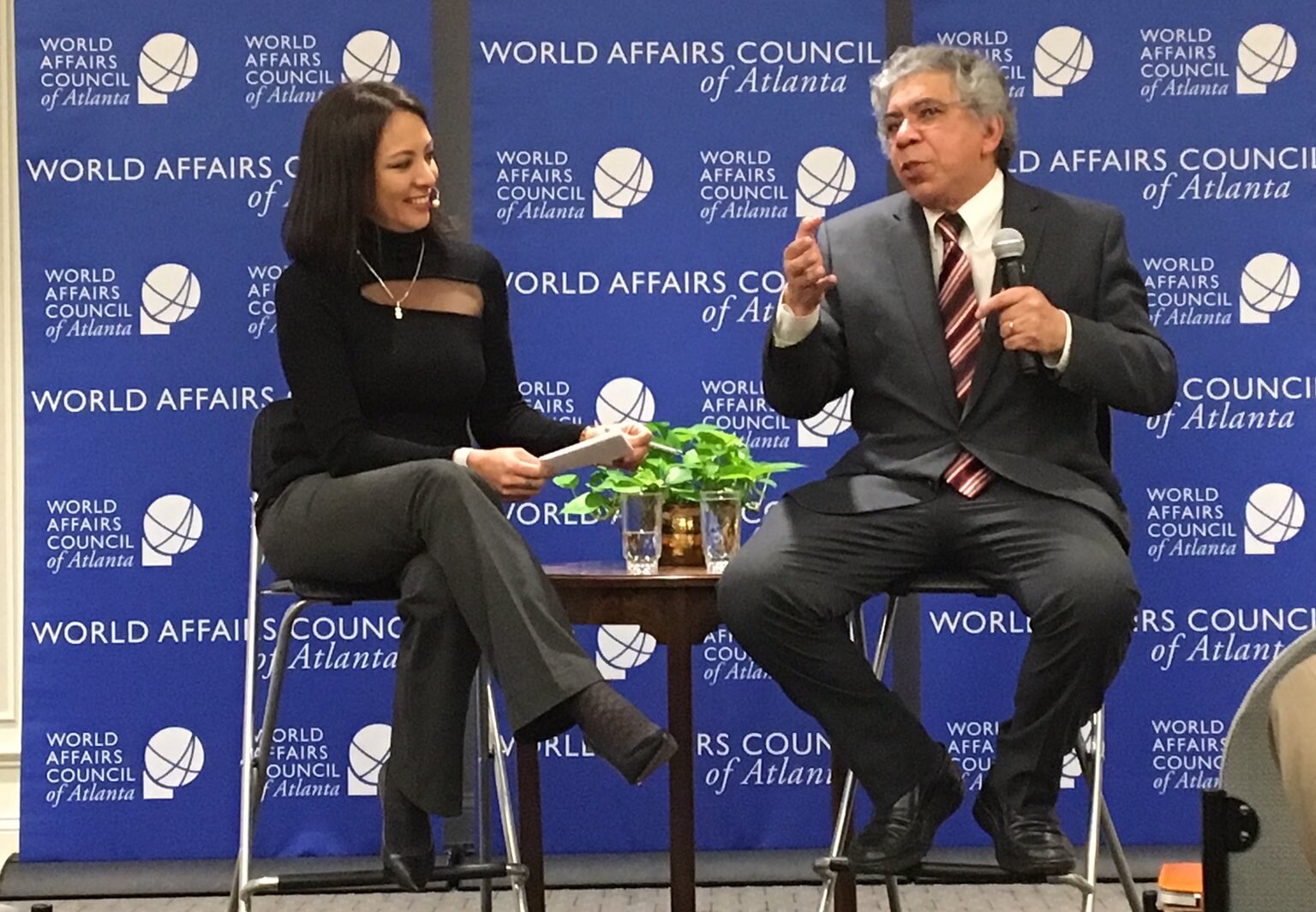
  GLOBAL ATLANTA JANUARY 24, 2019 | TREVOR WILLIAMS (Photo) Otaviano Canuto dialogues with CNN Espanols Gabriela Frias during a World Affairs Council of Atlanta event Wednesday night. Brazil’s new president has…

Continue ReadingBrazil’s ‘Tropical Trump’ Needs to Build the Wall — Around the Country’s Finances